What Is the Way of Tea? Understanding Japan's Meditative Art of Chado
On this page
You bow. You turn the bowl. You drink in silence. And somehow, in those few minutes, the world slows down.
The art of doing one thing completely
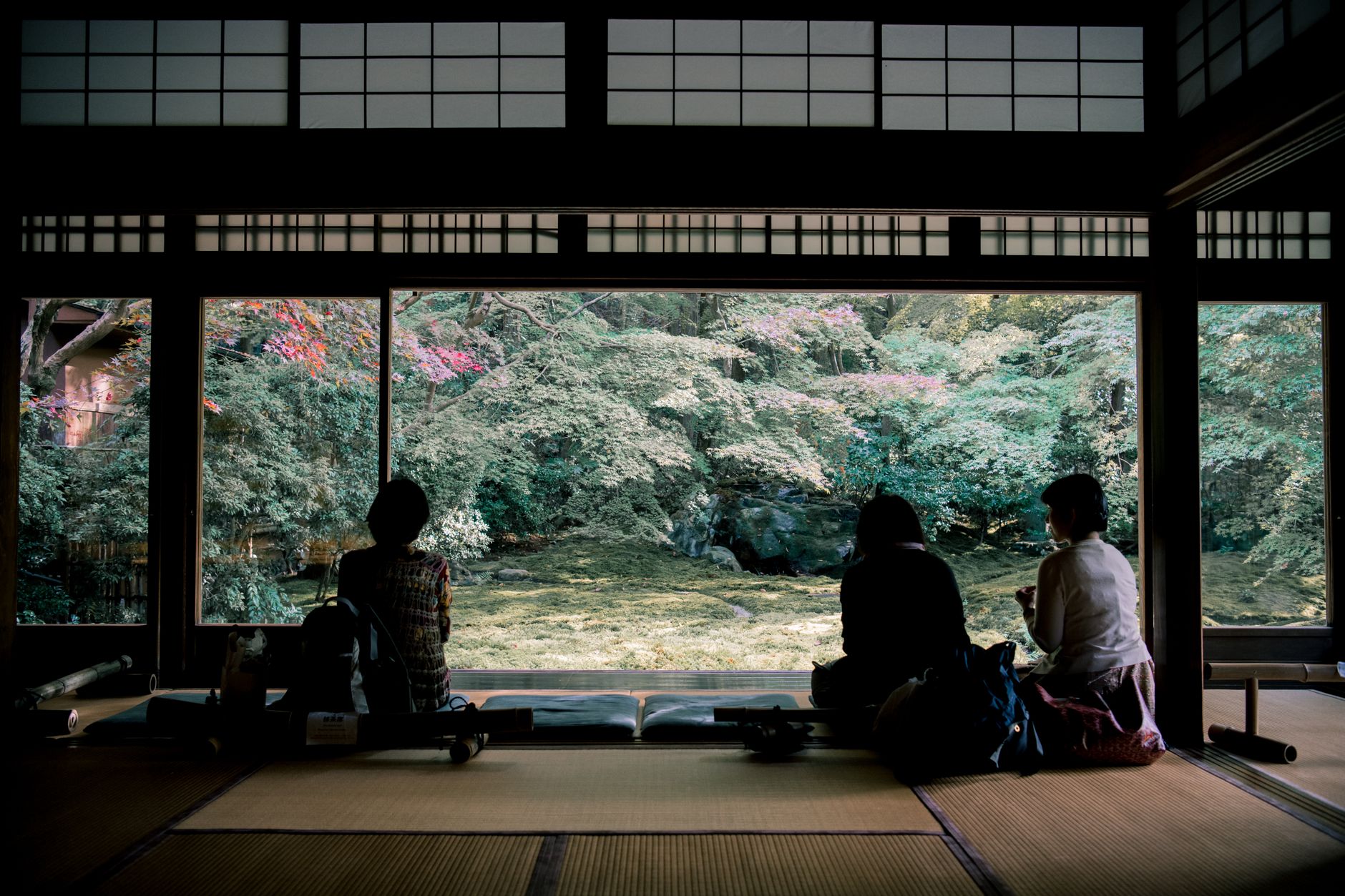
Chadō—literally "the way of tea"—is Japan's centuries-old practice of preparing and serving powdered green tea with complete attention. Not a casual coffee break. Not a social hour with pastries. It's a choreographed ritual where every gesture matters: how you fold the cloth, how you scoop the matcha, even how you place your feet on the tatami mat.
The practice emerged in the 15th and 16th centuries, shaped by Zen monks and tea masters who believed that making tea could be a form of meditation. One bowl. One moment. Nothing else.
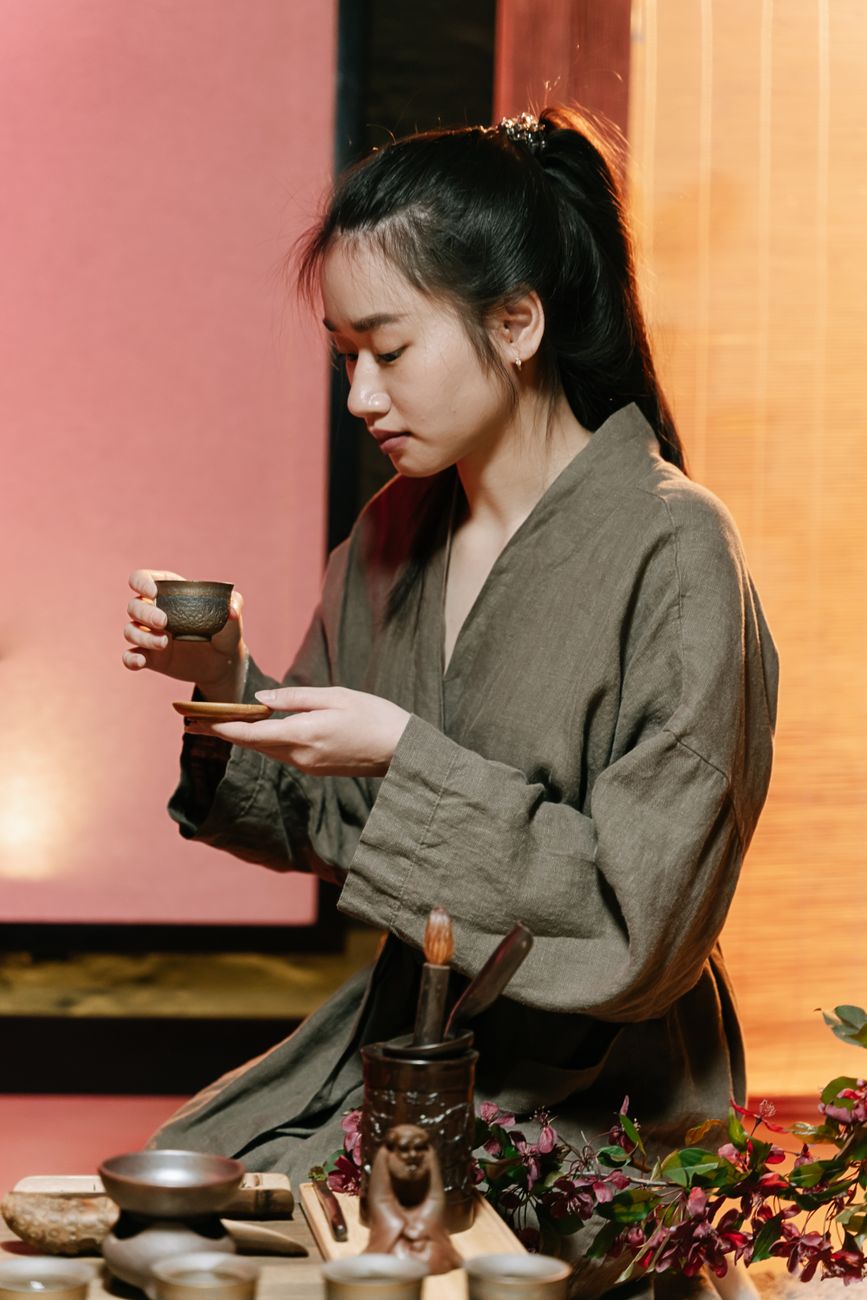
Four principles in a quiet room
At its heart, the way of tea rests on four guiding principles: wa (harmony), kei (respect), sei (purity), and jaku (tranquility). These aren't abstract ideals—they're instructions for how to move, how to relate to your guests, how to handle objects with care.
Harmony means the tea, the room, the season, and the people all align. Respect shows in how you bow, how you receive your bowl with both hands. Purity begins before you even enter the tea room—you rinse your hands, rinse your mind. And tranquility? That's what arrives when everything else falls into place.
In the tea room, a rough ceramic bowl becomes more precious than polished gold.
Why imperfection matters
Walk into a traditional chashitsu (tea room), and you'll notice something unusual: nothing tries too hard. The walls are plain. The flower arrangement holds just one or two stems. The tea bowl might be asymmetrical, even slightly rough to the touch.
This is wabi-sabi—the aesthetic that finds beauty in impermanence and imperfection. A crack in a bowl isn't a flaw; it's evidence of a life lived. The tea ceremony doesn't ask you to perform flawlessly. It asks you to be present, to notice the steam rising, the bitter-sweet taste on your tongue, the weight of the bowl in your palms.

What happens in those twenty minutes
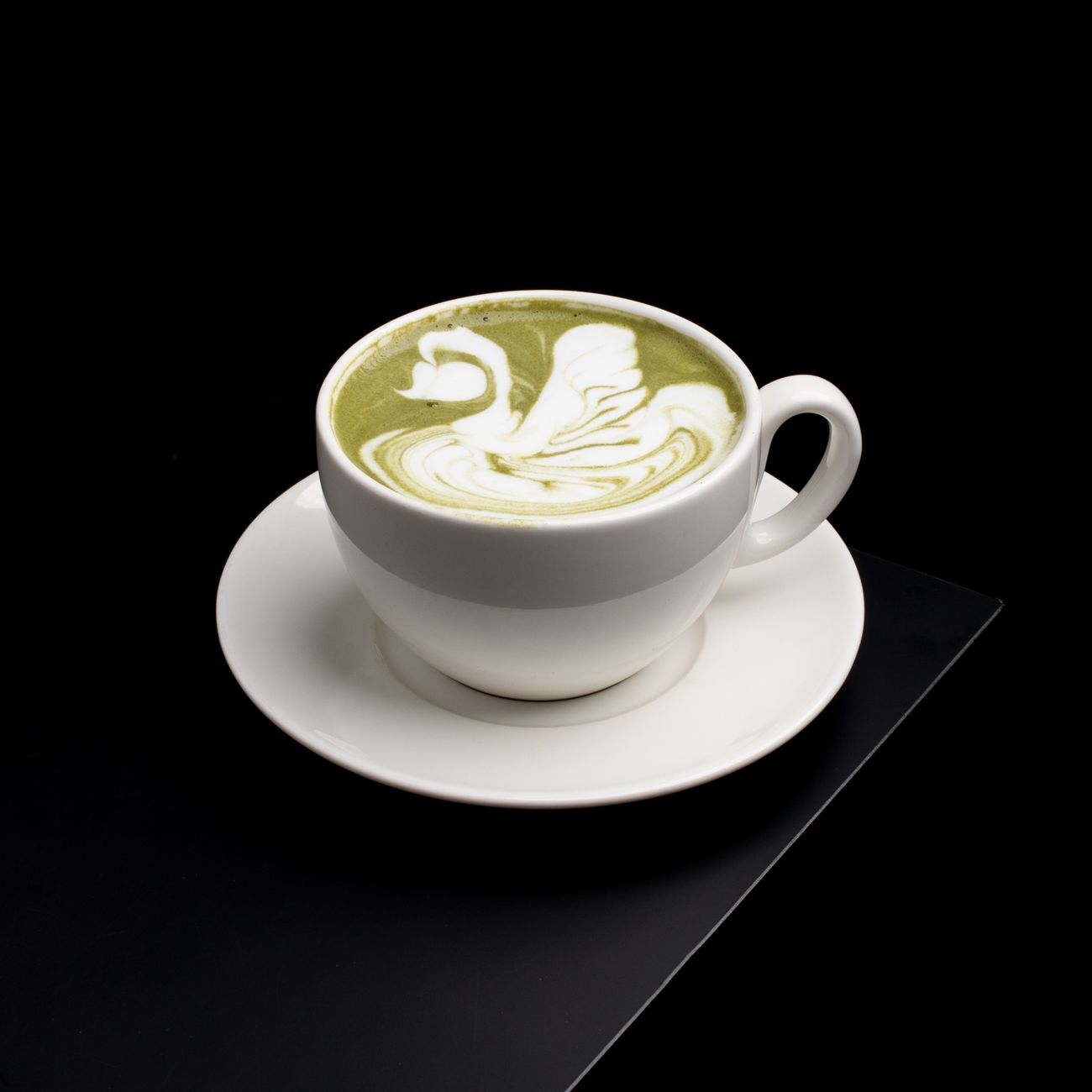
A full tea ceremony can last hours, but even a shorter gathering follows the same arc. You enter through a low door that requires you to bow—physically humbling yourself before you sit. The host prepares the tea with precise, practiced movements: warming the bowl, whisking the matcha into a pale green froth, turning the bowl so its most beautiful side faces you.
You receive it. You admire it. You drink in three and a half sips (yes, that specific). Then you examine the bowl again before returning it.
Nothing is rushed. Nothing is random.
A practice, not a performance
The way of tea isn't something you master in a weekend workshop. Students spend years learning the movements, studying seasonal etiquette, understanding which scroll to hang in winter versus spring. But even beginners can grasp the essence: presence over perfection, simplicity over spectacle.
It teaches you that ritual doesn't have to be religious to be meaningful. That slowing down isn't wasting time. That a bowl of tea, made with full attention, can hold more than liquid.
The tatami is swept. The water simmers. The guest arrives, and the host bows.
FAQ
Chaware curates authentic Japanese crafts — straight from the makers in Japan to your table.
Explore the Chaware collection →