Understanding the Japanese Tea Ceremony: A Beginner's Guide to Chanoyu
On this page
The kettle hisses. Steam rises. And for the next hour, nothing else exists.
Four centuries in four movements
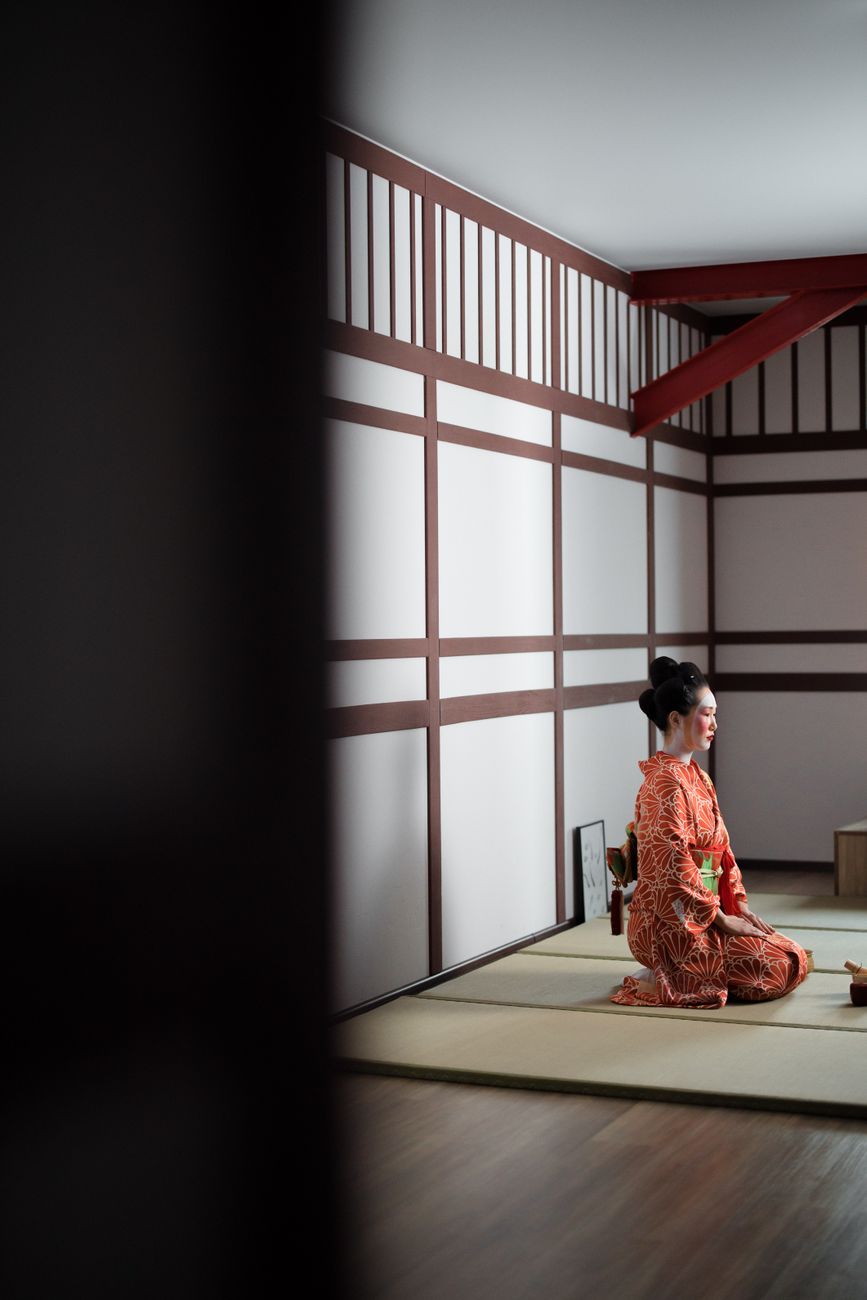
The Japanese tea ceremony—chanoyu or sadō—is not about drinking tea quickly. It's a choreographed ritual where every gesture carries meaning, where the angle of a bowl and the fold of a cloth have been refined across generations. Developed in the 16th century by tea master Sen no Rikyū, chanoyu transformed a simple beverage into a moving meditation on impermanence, respect, and beauty found in restraint.
You won't find hurried movements here. The host purifies each utensil with deliberate care. Water is ladled, not poured. The matcha powder is whisked in a specific rhythm—not to show off, but to honor the guest, the season, the singular moment that will never repeat exactly this way again.
The four principles you can feel
Wa, kei, sei, jaku. Harmony, respect, purity, tranquility.
These aren't abstract concepts printed on a scroll. They're embedded in everything. Harmony is the careful selection of a tea bowl that echoes the autumn outside. Respect is bowing as you receive the bowl, turning it in your hands so the most beautiful side faces you. Purity is the ritual cleansing that happens before anyone takes a sip—not just of objects, but of intention. And tranquility? That arrives last, unforced, when everything else aligns.
The ceremony asks you to be nowhere but here, holding this bowl, in this breath.
A room designed for forgetting
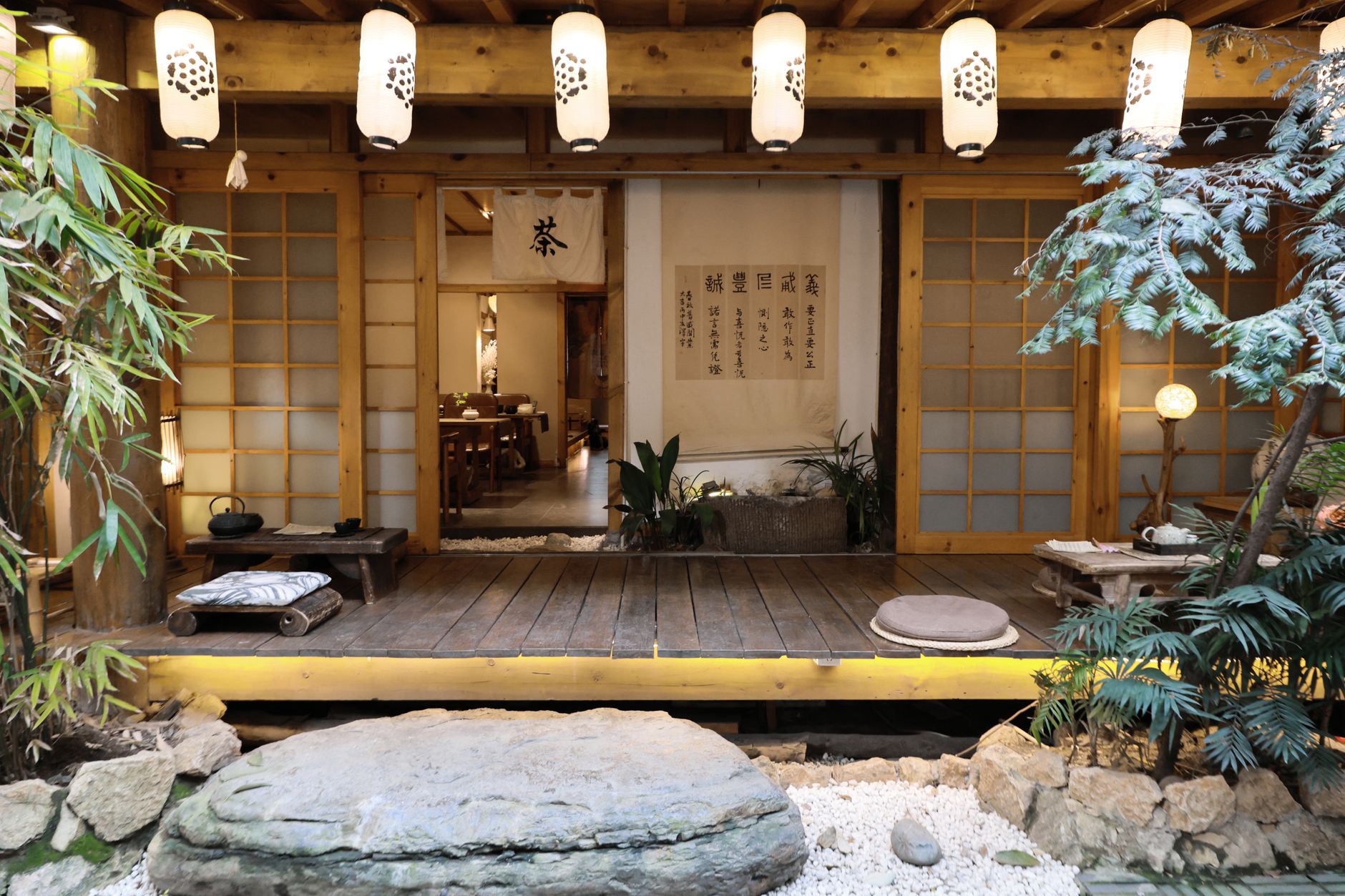
The tea room—chashitsu—is almost absurdly small. Guests enter through a low doorway called nijiriguchi, barely two feet high, forcing even samurai to leave their swords outside and bow their way in. Everyone is equal on their knees.
Inside, no clutter. A single scroll hangs in the alcove. One flower arrangement, never more. The aesthetic is wabi-sabi—beauty in imperfection, in the unfinished, in the worn. A chipped tea bowl isn't a flaw; it's evidence of a life lived, of hands that held it before yours.
What actually happens
The ceremony unfolds in silence punctuated by small sounds: the scrape of the bamboo scoop, the soft thud of the tea bowl on tatami, the whisper of silk as the host folds the fukusa cloth. Guests are served wagashi—delicate sweets—first, to balance the bitter matcha that follows.
When the tea is finally presented, you don't just drink. You admire the bowl, rotate it, study its glaze. You might ask about the potter. This is part of the ceremony too—acknowledging the artisan, the material, the lineage.
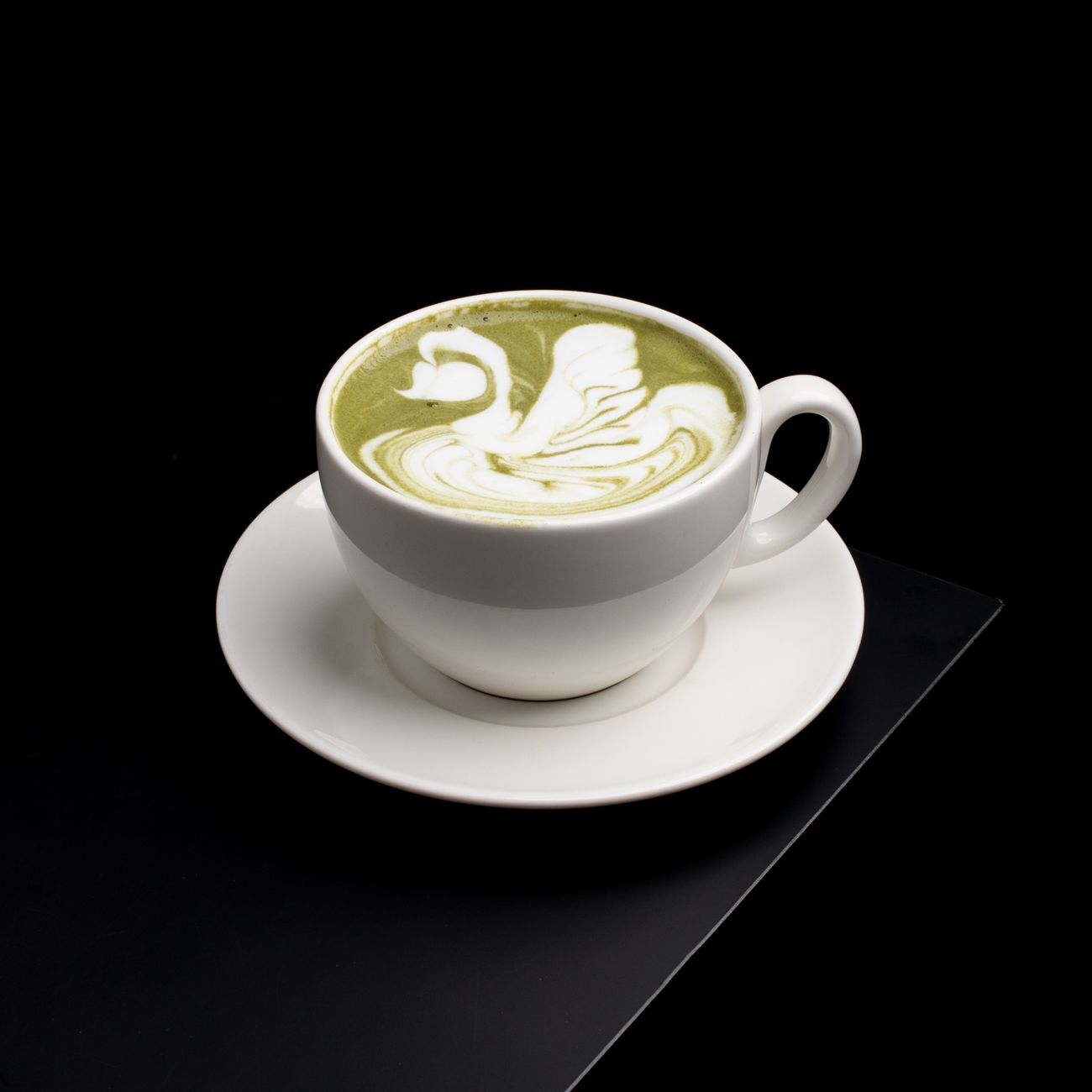
The matcha itself is thick, grassy, almost shockingly intense if you've only tasted the sweetened versions sold in cafés. It coats your mouth. It demands attention.
Why it still matters
In a world optimized for speed, chanoyu is deliberately, radically slow. It's a practice that insists: this moment, this bowl, this person in front of you—they deserve your full presence. Not your distracted half-attention, but the whole of you.
You don't need to be in Kyoto to understand this. You just need to be willing to sit still long enough to notice what happens when you do.
The last sip is taken. The bowl is admired one final time, then returned with both hands.
FAQ
Chaware curates authentic Japanese crafts — straight from the makers in Japan to your table.
Explore the Chaware collection →