Wabi Sabi Tea: The Quiet Beauty That Transformed Japanese Tea Culture
On this page
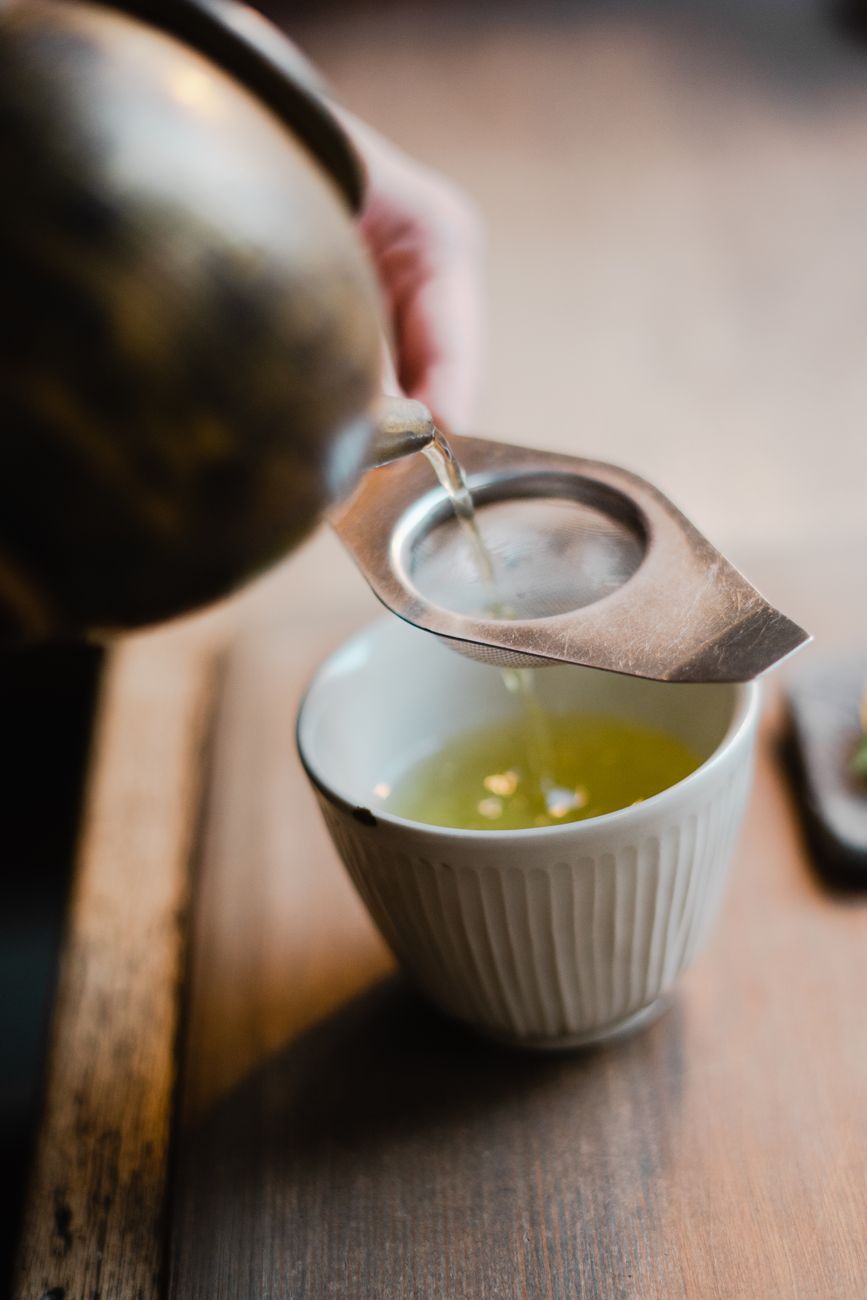
A tea bowl with a crack running through its glaze. A bamboo scoop worn smooth by decades of hands. These aren't flaws—they're the heart of the Japanese tea ceremony.
The beauty of things as they are
Wabi sabi doesn't translate neatly into English, and perhaps that's fitting for a philosophy that resists polish. Wabi speaks to simplicity, even austerity—the quiet satisfaction found in modest, unadorned things. Sabi carries the patina of time: the weathering, the wear, the subtle changes that age brings to objects and lives alike.
In tea culture, this isn't abstract philosophy. It's in your hands.
The tea master Sen no Rikyū transformed the ceremony in the 16th century by stripping away ostentation. While his contemporaries prized gleaming Chinese porcelain and elaborate gold-lacquered rooms, Rikyū served tea in rough, earth-toned pottery. He built tea houses so small guests had to bow to enter. He chose flowers just beginning to wilt.
This wasn't poverty aesthetics. It was radical clarity.
Imperfection as invitation
Walk into a traditional tea room and you'll notice what's missing. No symmetry. No matching sets. The alcove displays a single scroll, perhaps slightly askew. The tea bowl sits imperfectly centered.
Wabi sabi asks you to see the crack in the bowl not as damage, but as the place where light enters.
The most treasured tea bowls often bear the marks of their making: a thumbprint in the clay, an uneven glaze, a shape that wobbles slightly when set down. Korean Ido bowls, prized for centuries in Japan, were originally peasant rice bowls—humble, thick-walled, with irregular glazes that pooled and ran unpredictably in the kiln.
Their "flaws" became their poetry.
The sound of one season passing
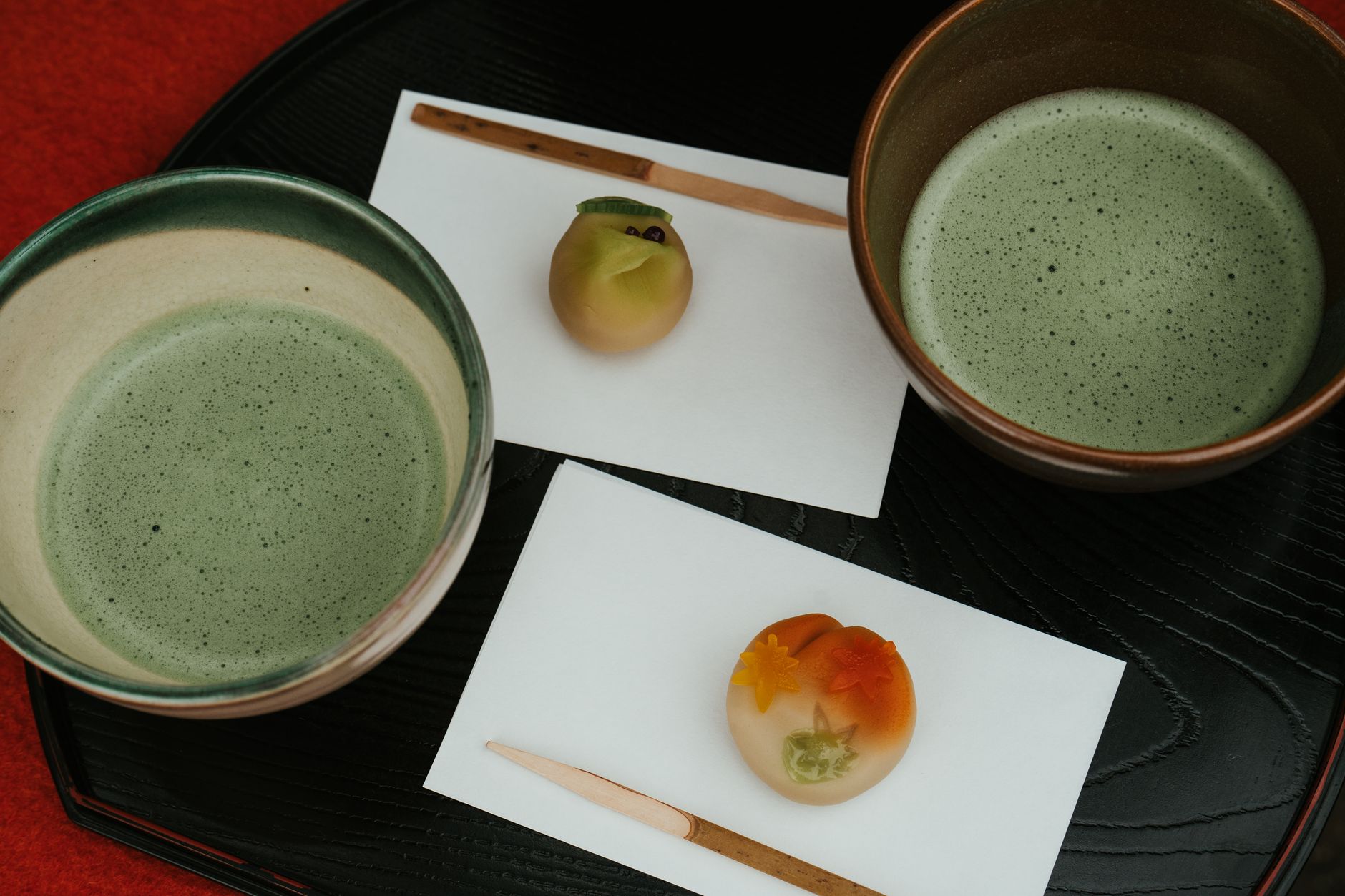
Tea culture moves with time, never against it. Summer brings thin porcelain that cools the hand. Winter calls for thick stoneware that holds heat. The tea master selects utensils that echo the moment: cherry blossoms in spring, falling leaves in autumn.
Nothing is meant to last forever, and that's precisely the point. The bamboo whisk will split. The iron kettle will rust. The tatami will fade. Each change writes the story of use, of care, of presence.
This temporal awareness—mono no aware, the poignancy of things—runs through every gesture. You bow. You admire the bowl. You drink. The moment dissolves, irretrievable, and that dissolution makes it precious.
Living with less, seeing more
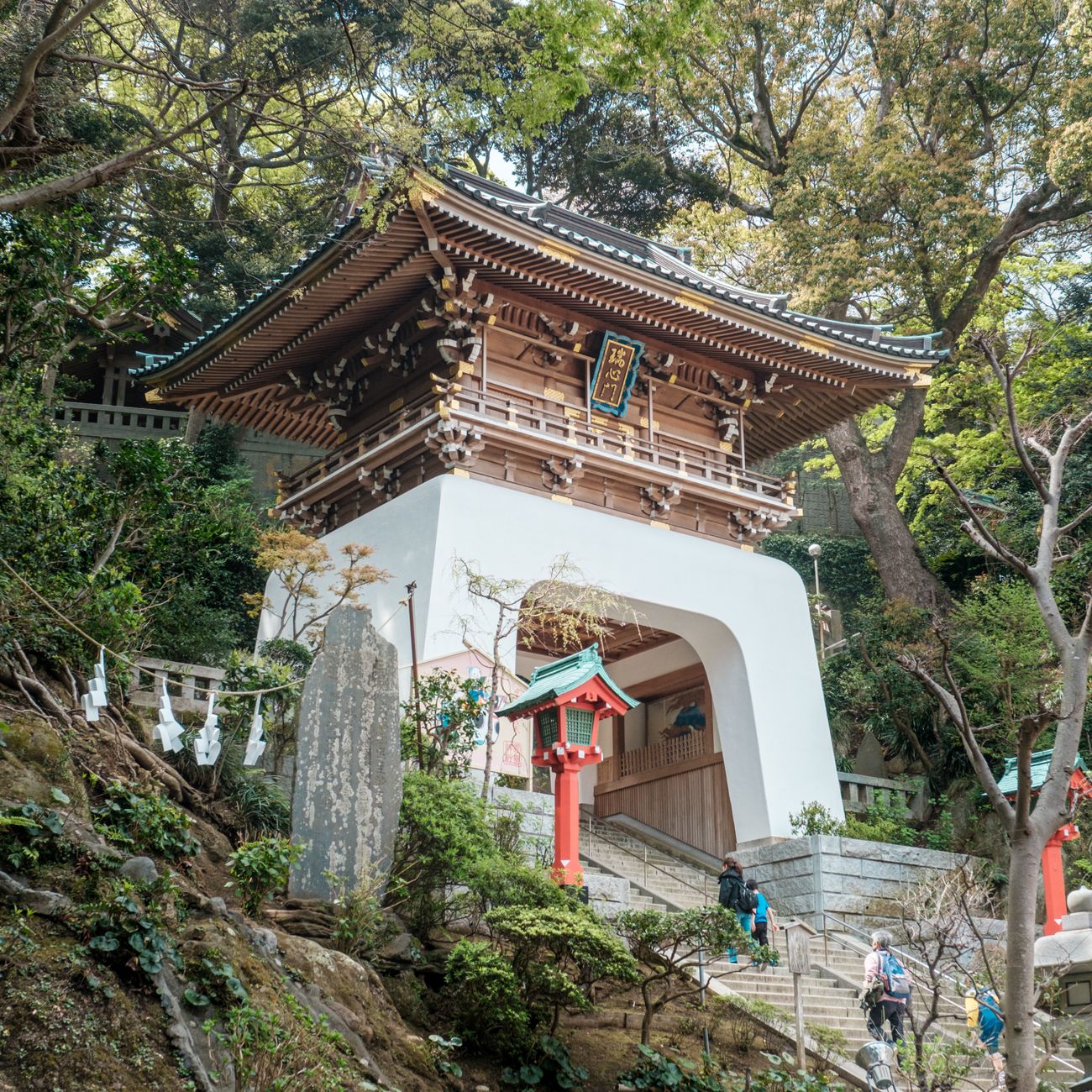
Wabi sabi in tea culture offers a strange gift to our saturated age: permission to stop accumulating. The tea room typically measures just four and a half tatami mats—about nine feet square. In that compressed space, every object matters. Every absence speaks.
The practice teaches you to distinguish between what you need and what you think you need. Between the decoration that delights and the clutter that numbs. A single perfect persimmon on a plate. One scroll. Three scoops of matcha whisked to froth.
The emptiness isn't empty. It's breathing room for attention.
Modern tea practitioners still follow Rikyū's principles: harmony, respect, purity, tranquility. They still cradle irregular bowls, still sweep the same path, still heat water over charcoal. Not because they're preserving museum pieces, but because these gestures—simple, imperfect, unrepeatable—remain a way of being awake.
The crack in the bowl is where your thumbs rest.
FAQ
Chaware curates authentic Japanese crafts — straight from the makers in Japan to your table.
Explore the Chaware collection →