Ichigo Ichie: The Japanese Philosophy of Treasuring Each Encounter
On this page
You hold the teacup. The glaze catches the light just so. This exact moment — this steam, this silence, this gathering — will never happen again.
Ichigo ichie (一期一会). One time, one meeting. Four characters that contain a universe of attention.
The Bowl That Taught a Nation to Notice
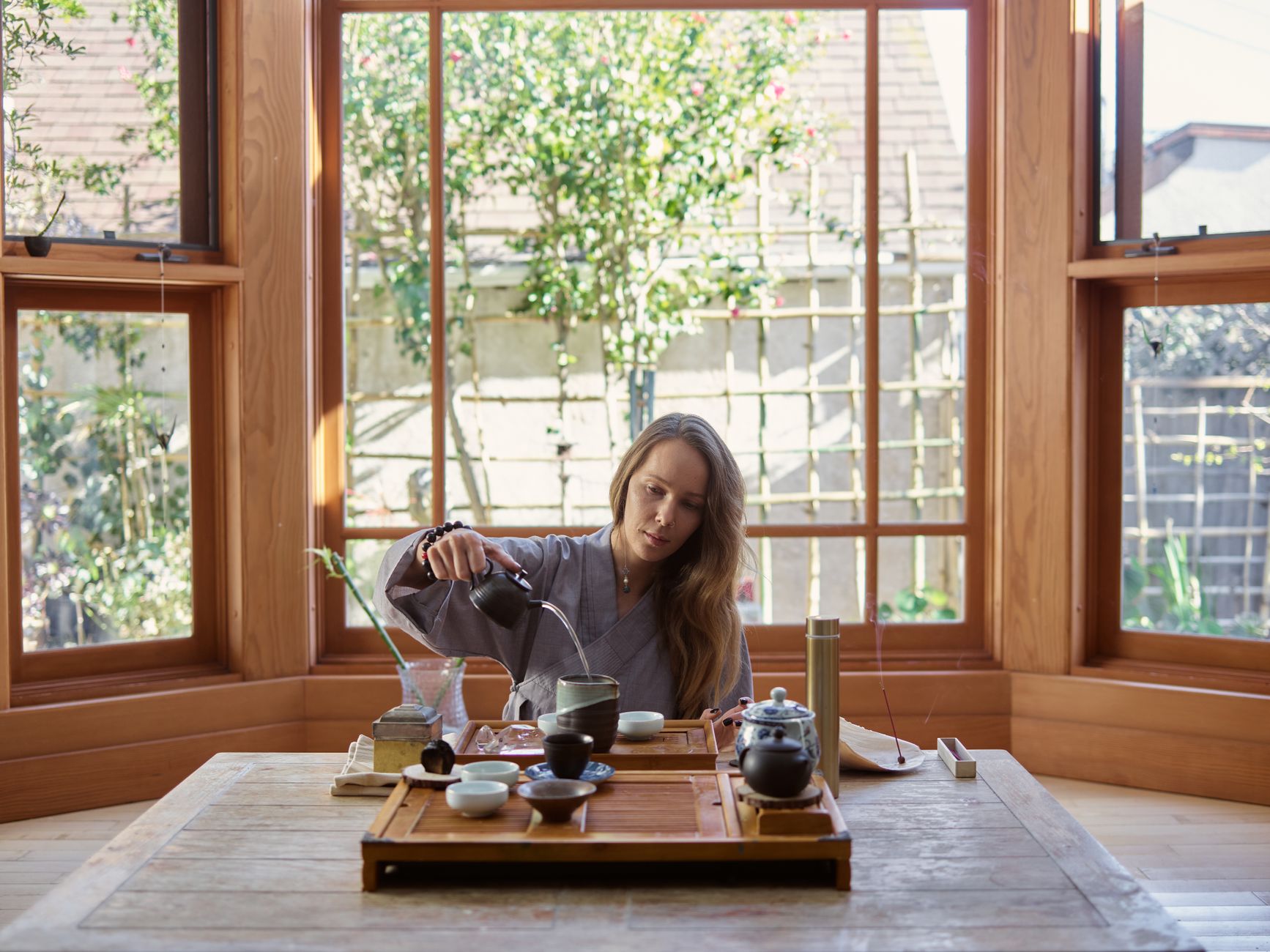
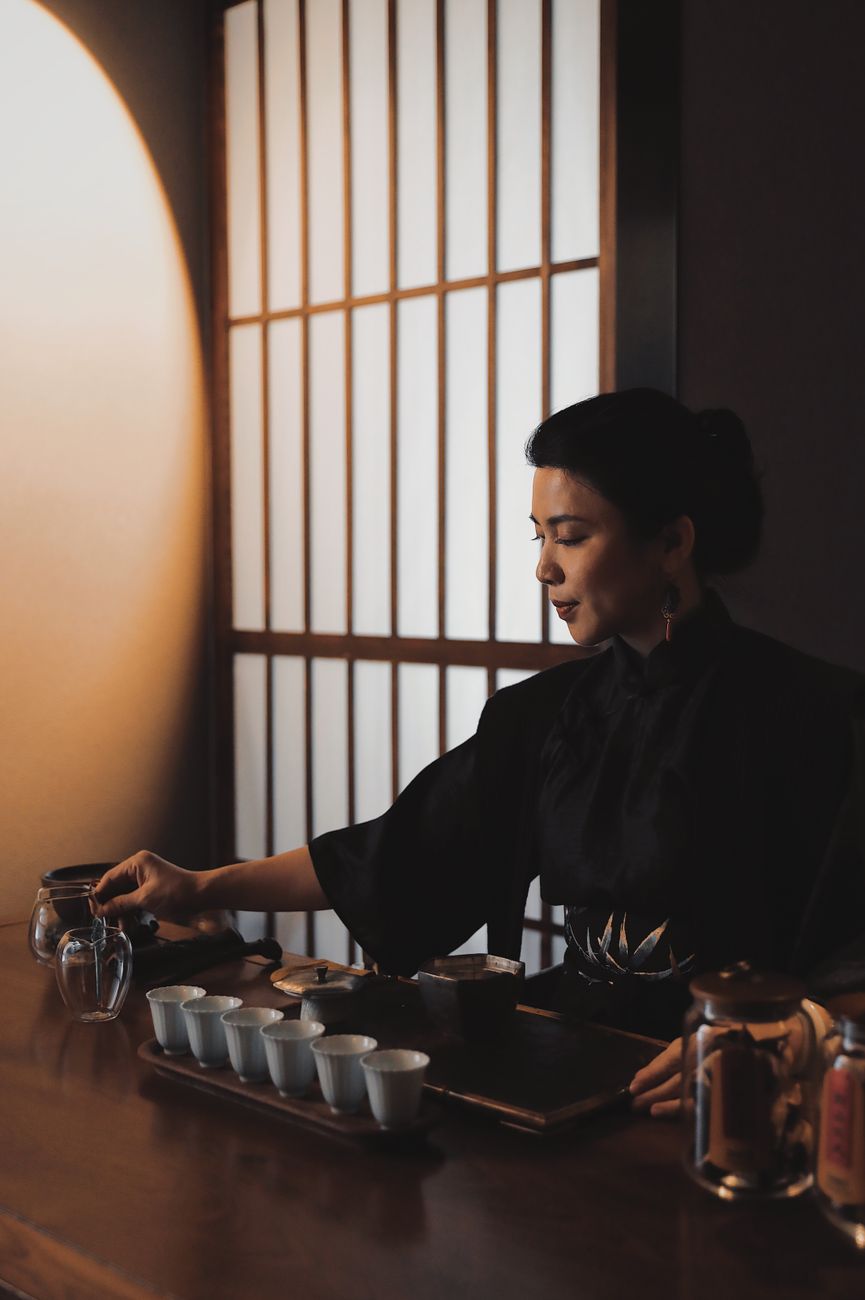
The phrase was born in the tea room, attributed to the 16th-century tea master Sen no Rikyū, though its written form came later through his disciples. In the formal choreography of chanoyu — the Japanese tea ceremony — every gesture matters because it happens only once. The host arranges flowers that will wilt by evening. The guest kneels on tatami that holds the memory of a thousand other gatherings, yet none quite like this. The water boils. The whisk turns. The moment opens and closes like a hand.
This wasn't philosophy for its own sake. It was instruction: Pay attention. This will not come again.
What One Time, One Meeting Actually Means
Ichigo ichie is often translated as "once in a lifetime," but that flattens its texture. The phrase literally breaks down as "one time, one meeting" — ichigo (一期) meaning one's whole life or a single encounter, ichie (一会) meaning one gathering. Together, they suggest that each meeting contains the weight of an entire lifetime, because in a sense, it does.
You cannot step into the same tea room twice. Even if the same people return to the same space, the season has shifted, someone has aged, the light falls differently. The host prepares as if the guests will never return — because even if they do, this gathering is already gone.
Every encounter is a singular event that deserves your full presence, never to be replicated.
Beyond the Tea Room
What began in the hush of the chashitsu — the tea room — has seeped into Japanese consciousness more broadly. You hear it invoked at farewell dinners, see it brushed in calligraphy on restaurant walls, feel it in the care a potter takes wrapping your purchase. It's become a cultural reminder to treat ordinary moments as unrepeatable.
Because they are.
The friend across the table. The way autumn light hits a ceramic cup. The particular quiet of a rainy Tuesday. Ichigo ichie doesn't ask you to make every moment special — it suggests that every moment already is, if you're awake enough to meet it.
How to Practice One Time, One Meeting
You don't need a tea room or ceremonial training. Ichigo ichie is a quality of attention you bring:
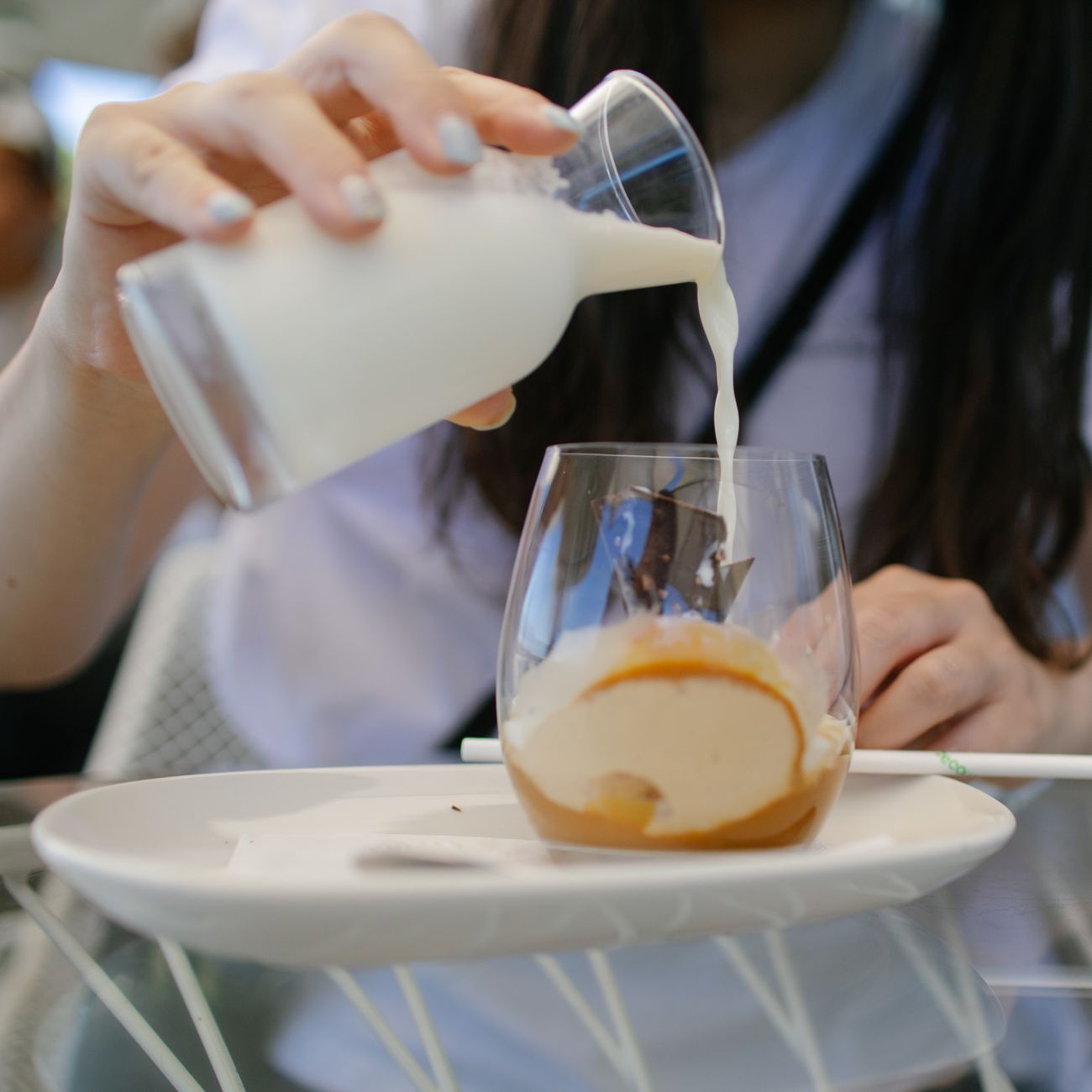
- Arrive fully. Put the phone face-down. Let the conversation be the only conversation.
- Notice the unrepeatable. The exact temperature of the tea. The grain in the wooden table. The way someone laughs today.
- Release it. Don't cling or photograph everything into permanence. Let the moment be complete as it is.
The practice isn't about intensity or manufactured meaning. It's about recognizing that this breath, this sip, this silence between words — it's already happening, and it won't again.
The Teacup You'll Never Hold the Same Way Twice
Perhaps that's why the tea ceremony, with all its precision, never feels mechanical to those inside it. The forms repeat, yes — but the people change, the seasons turn, the heart that receives the bowl is never quite the same heart. Each bowl is cradled once.
Ichigo ichie doesn't make you nostalgic for what's passing. It makes you present for what's here.
The steam rises. You drink. The cup is empty, and the moment is whole.
FAQ
Chaware curates authentic Japanese crafts — straight from the makers in Japan to your table.
Explore the Chaware collection →