What Is A Chashitsu Tea Room? Architecture, Design, and Spirit
On this page
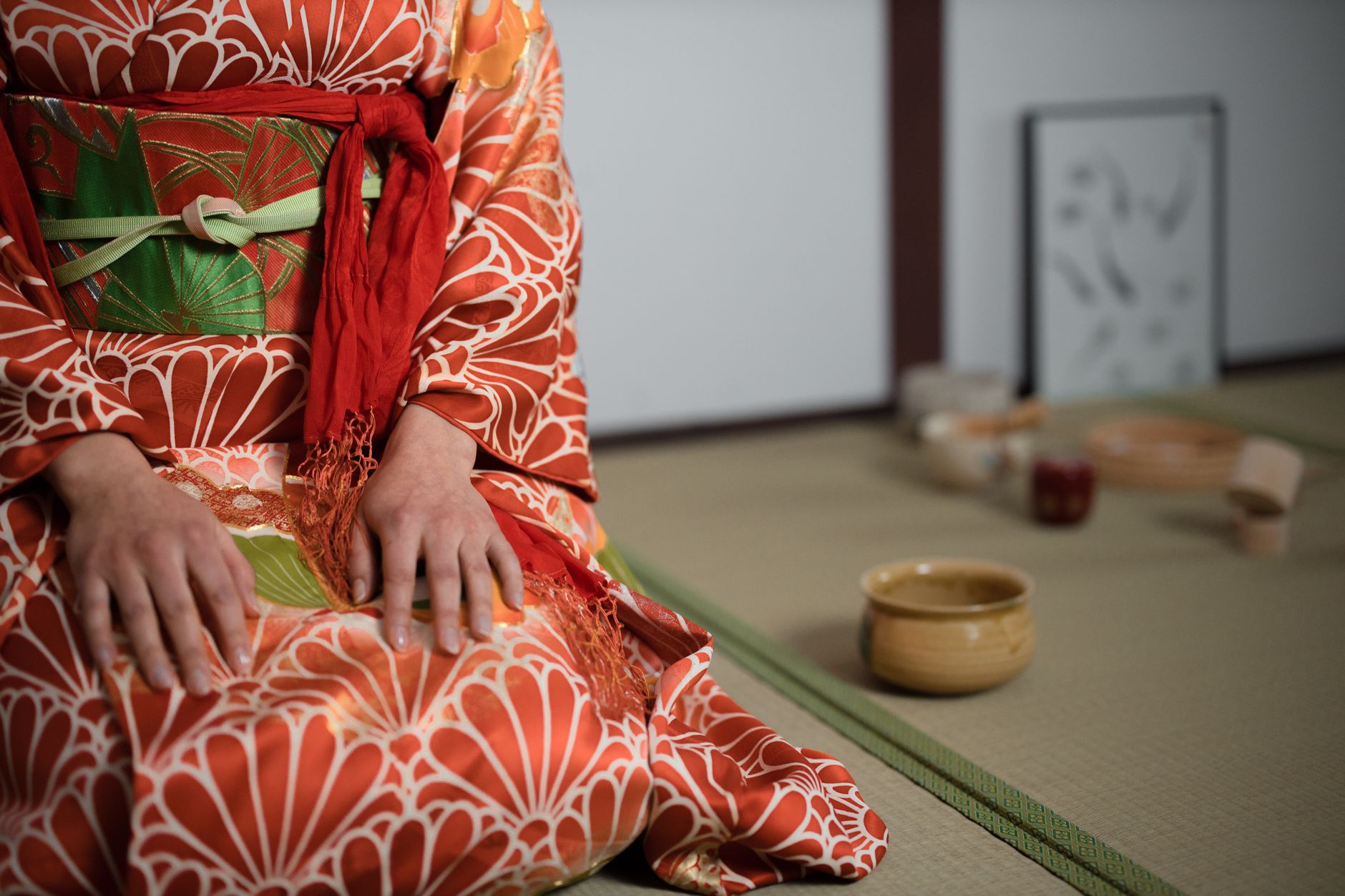
You slide open the door, and the world shrinks to four-and-a-half tatami mats.
The Architecture of Humility
A chashitsu — literally "tea room" — is not designed to impress. It's designed to strip away everything that might. The doorway, called a nijiri-guchi, is deliberately small, roughly two feet square. Samurai once had to remove their swords before entering. Everyone, regardless of rank, had to bow.
This wasn't symbolism. It was spatial reset.
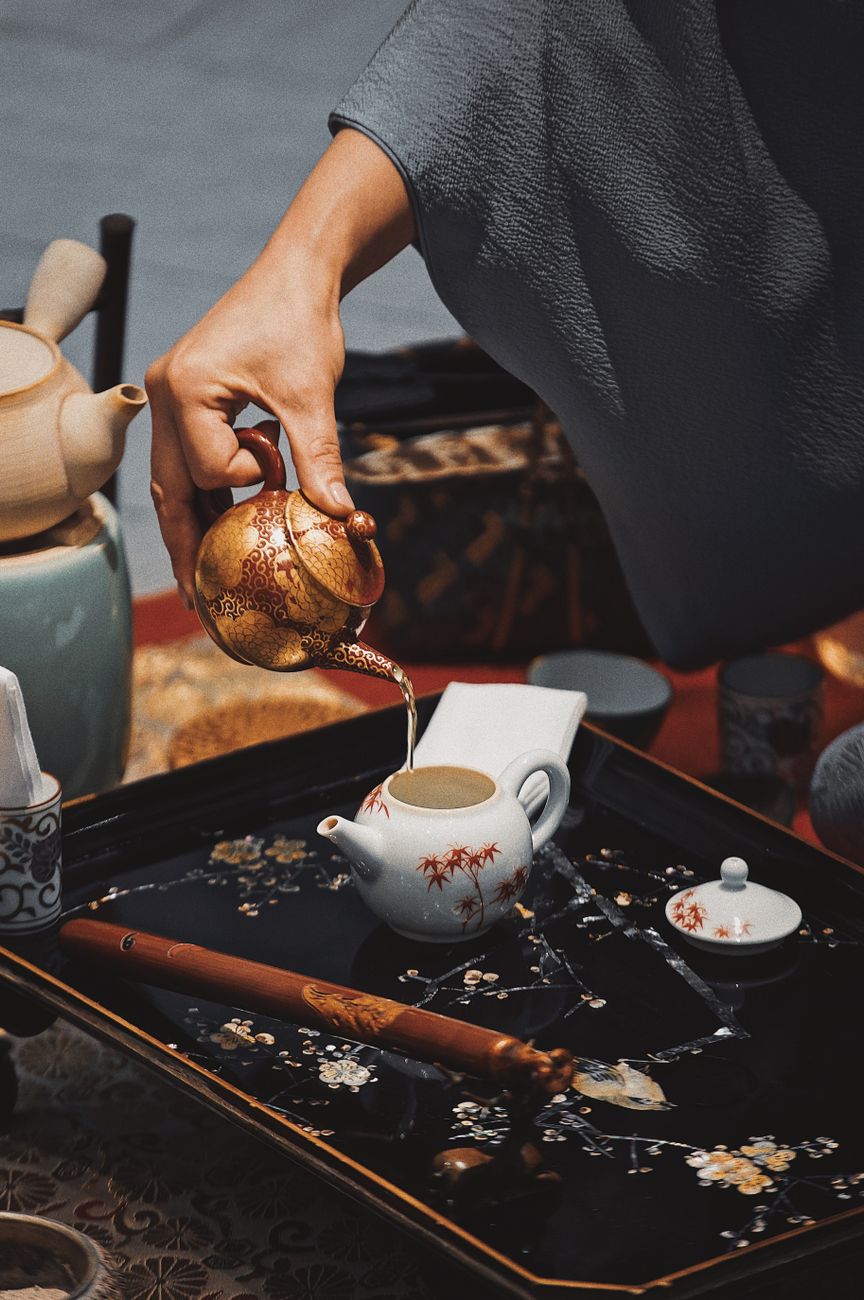
The ceiling is low. The alcove holds a single scroll, maybe a seasonal flower. Natural light filters through shoji screens made of washi paper, soft and indirect. The room holds only what the moment requires — a kettle, a tea bowl, the sound of water beginning to simmer. Outside, a stone path. Inside, calculated plainness.
Wabi-Sabi Made Structural
Tea master Sen no Rikyū refined the chashitsu in the 16th century, moving tea practice away from Chinese luxury aesthetics toward something quieter. He championed wabi-sabi — the beauty of imperfection, impermanence, and incompleteness. His tea rooms used rough clay walls, unfinished wood, and bamboo.
The chashitsu teaches you to notice what remains when ornament is removed.
The materials age visibly. Wood darkens. Straw shows wear. This isn't neglect — it's acknowledgment. Time passes. Things change. The room doesn't fight it.
Designed to Slow You Down
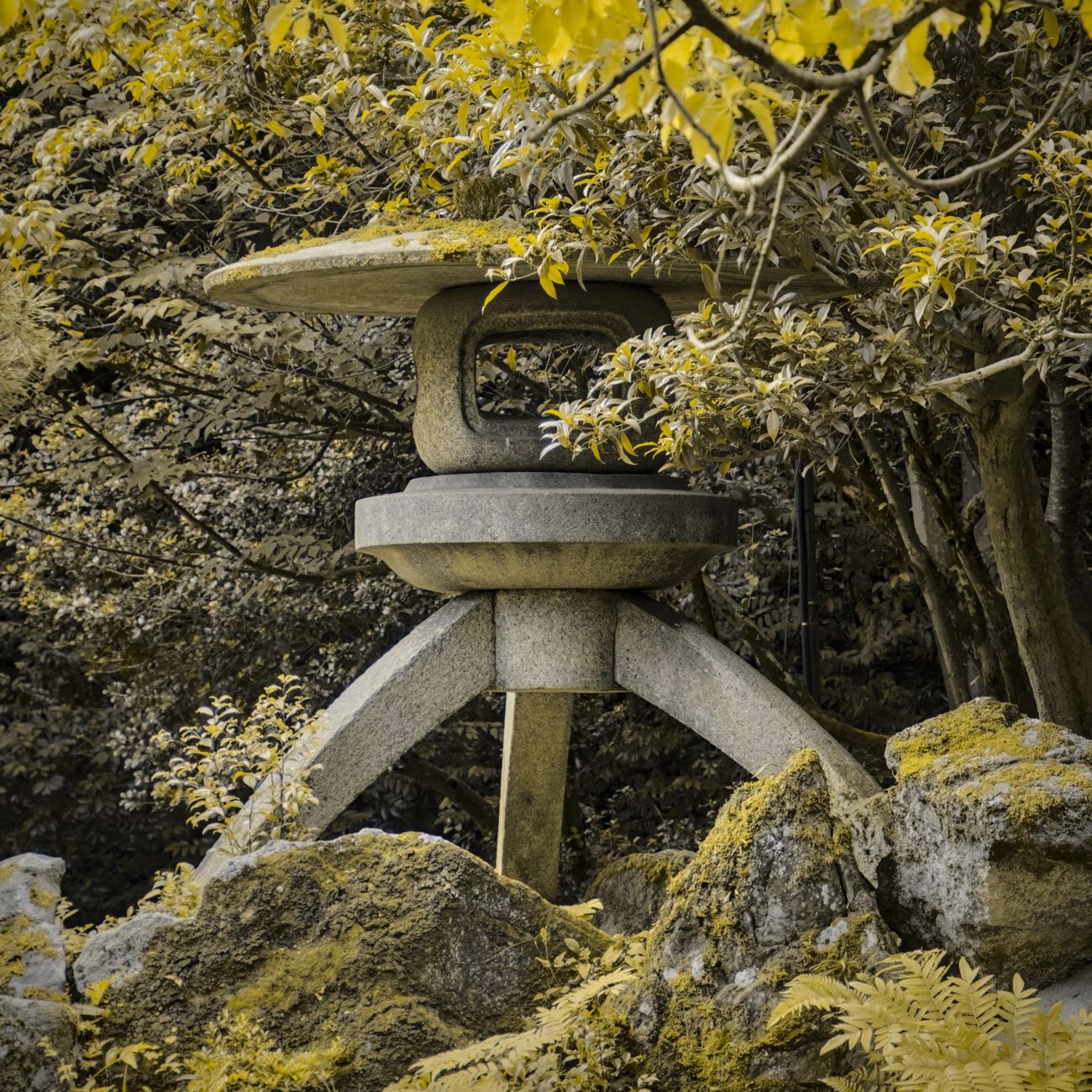
Every element in a chashitsu has intention, often invisible until you move through the space. The roji, or garden path leading to the tea room, is deliberately irregular — stepping stones spaced to make you walk slowly, a stone basin where you rinse your hands. You're being transitioned out of the everyday before you even enter.
Inside, the host has arranged the room for this gathering only. The scroll in the tokonoma alcove reflects the season, the occasion, sometimes a subtle reference only one guest might catch. The kettle placement, the ash pattern in the hearth — nothing is random.
The room doesn't announce these choices. You discover them.

A Space That Listens
Traditional chashitsu are often freestanding structures in a garden, separated from the main house. Some are built into larger homes. A few exist as small huts, barely larger than the tea ceremony itself. The aesthetic varies — some rustic, some refined — but the principle holds: remove distraction, invite presence.
Modern Japan still builds chashitsu. You'll find them in museums, cultural centers, private gardens. Some contemporary architects play with the form, translating its principles into new materials. But the core geometry remains: a small room, natural light, minimal furnishing, maximum attention.
The chashitsu asks a question most architecture avoids: what if a room made you smaller, quieter, more aware?
What Remains
Walk into a well-made chashitsu and you feel it immediately — not grandeur, but scale. Human scale. The kind of space that makes you notice your breath, the texture of tatami under your knees, the way steam rises from a tea bowl.
It's not about tea, really. It's about what happens when a room refuses to compete for your attention.
FAQ
Chaware curates authentic Japanese crafts — straight from the makers in Japan to your table.
Explore the Chaware collection →