What Is a Tokonoma Alcove? The Sacred Display Space in Japanese Homes
On this page
You step into a traditional Japanese home, and one alcove seems to hold all the quiet authority in the room. It's not a shrine, not a bookshelf—it's a tokonoma, and everything about its restraint is intentional.
The stage that never performs
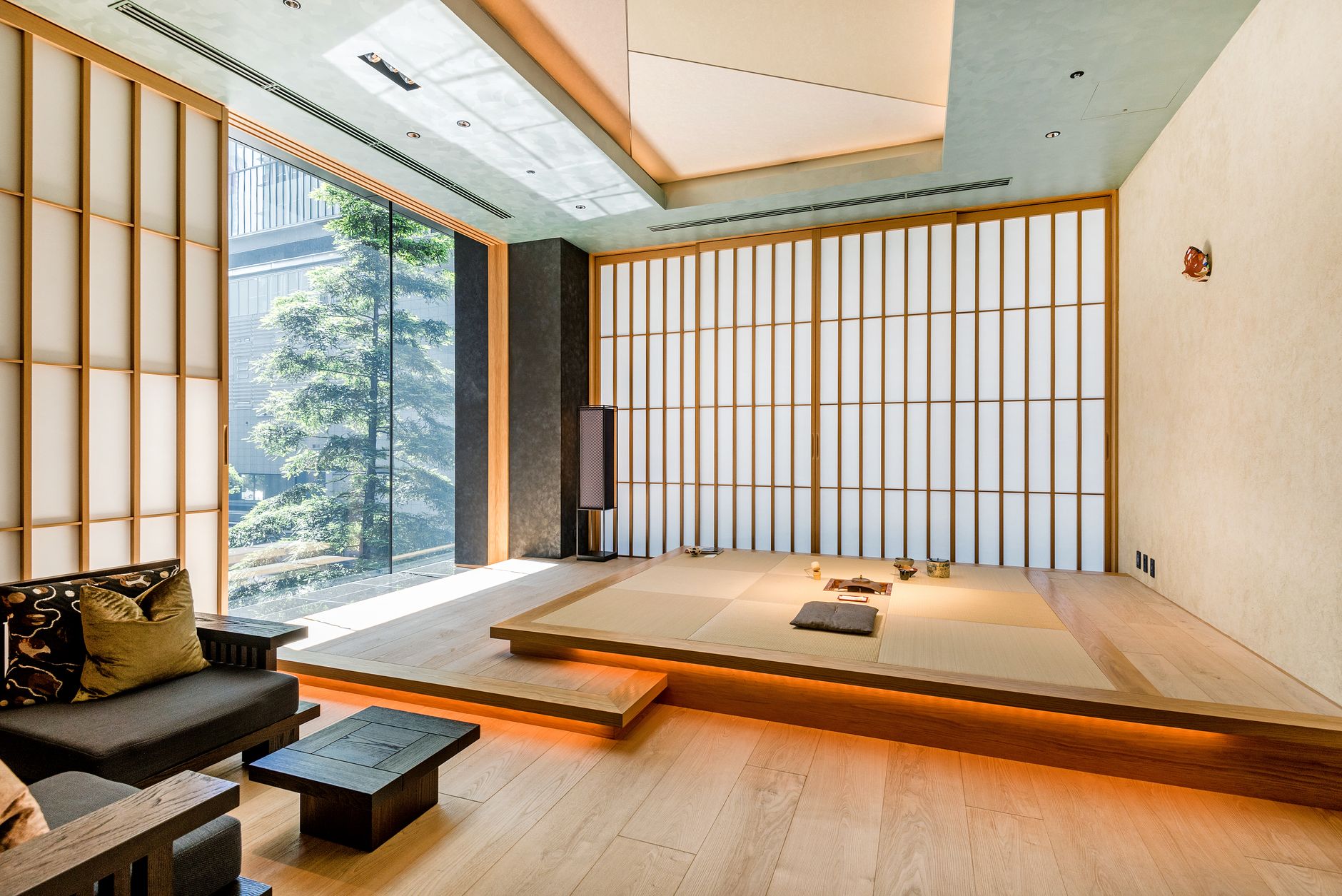
The tokonoma is a raised, recessed platform built into the wall of a Japanese room—most notably in tea rooms and formal reception spaces. Unlike Western mantels cluttered with frames and souvenirs, the tokonoma displays only what the season, the occasion, or the host's state of mind requires. A single scroll. A ceramic vessel. A branch of plum blossom leaning just so.
This isn't decoration. It's curation as philosophy.
The alcove emerged during the Muromachi period (1336–1573), shaped by Zen aesthetics and the formalization of the tea ceremony. Early tea masters understood that a room's spiritual center shouldn't shout—it should breathe. The tokonoma became that breath, a focal point designed to anchor attention without demanding it.
What belongs, and what doesn't
Walk into a tea room and the kakejiku (hanging scroll) in the tokonoma sets the tone before a single word is spoken. In summer, you might see calligraphy evoking coolness—characters brushed to suggest flowing water. In autumn, an ink painting of persimmons or wild grasses.
Beneath the scroll sits the chabana arrangement: a few stems in a humble vessel, never symmetrical, never showy. This isn't ikebana's sculptural drama. It's a whisper.
The objects change. The principle doesn't.
The tokonoma teaches you to see the power of one thing, perfectly chosen.
Guests entering a tea room bow slightly toward the tokonoma first—a gesture of respect not to the objects themselves, but to the host's care in selecting them. It's an acknowledgment: I see what you're saying without words.
The rules you can't break
Traditional tokonoma design follows unspoken codes. The floor is slightly elevated and finished differently from the rest of the room—often with fine wood or tatami edging. The back wall is plastered or papered, creating a neutral field that won't compete.
You never step into a tokonoma. You don't lean against its post. You certainly don't use it as storage.
These aren't superstitions—they're about preserving the alcove's function as ma, the concept of meaningful negative space. The tokonoma exists to frame emptiness as much as objects. Remove everything, and it still holds presence.
In tea practice, the season dictates almost everything. A winter tokonoma might feature a scroll with red camellia, paired with a bronze vase holding a single bare branch. By March, that same space transforms: pastel plum blossoms, a scroll hinting at new growth, perhaps a ceramic piece in softer glazes.

Living with less, seeing more
Modern Japanese homes rarely include tokonoma alcoves—space is precious, and few practice tea ceremony at home. But the principle survives in how people arrange entryways, in the single stem on a low table, in the discipline of rotating what's displayed rather than accumulating.
The tokonoma asks a question Western interiors rarely consider: what if the most important design move is knowing what not to show?
It's a reminder that beauty doesn't need to fill every corner. Sometimes the corner itself, held empty and intentional, is enough.
FAQ
Chaware curates authentic Japanese crafts — straight from the makers in Japan to your table.
Explore the Chaware collection →