How Buddhist Monks Brought Tea to Japan: The Sacred Journey from China
On this page
A single leaf floated in a bowl of hot water, and Japan was changed forever.
The story of tea in Japan isn't just about a beverage. It's about monks who crossed treacherous seas carrying seeds in their robes, about meditation made liquid, about a plant that became a philosophy. When Buddhist monks brought tea from China to Japan over a thousand years ago, they weren't thinking about flavor profiles or caffeine. They were carrying a tool for awakening.
The monk who couldn't stay awake
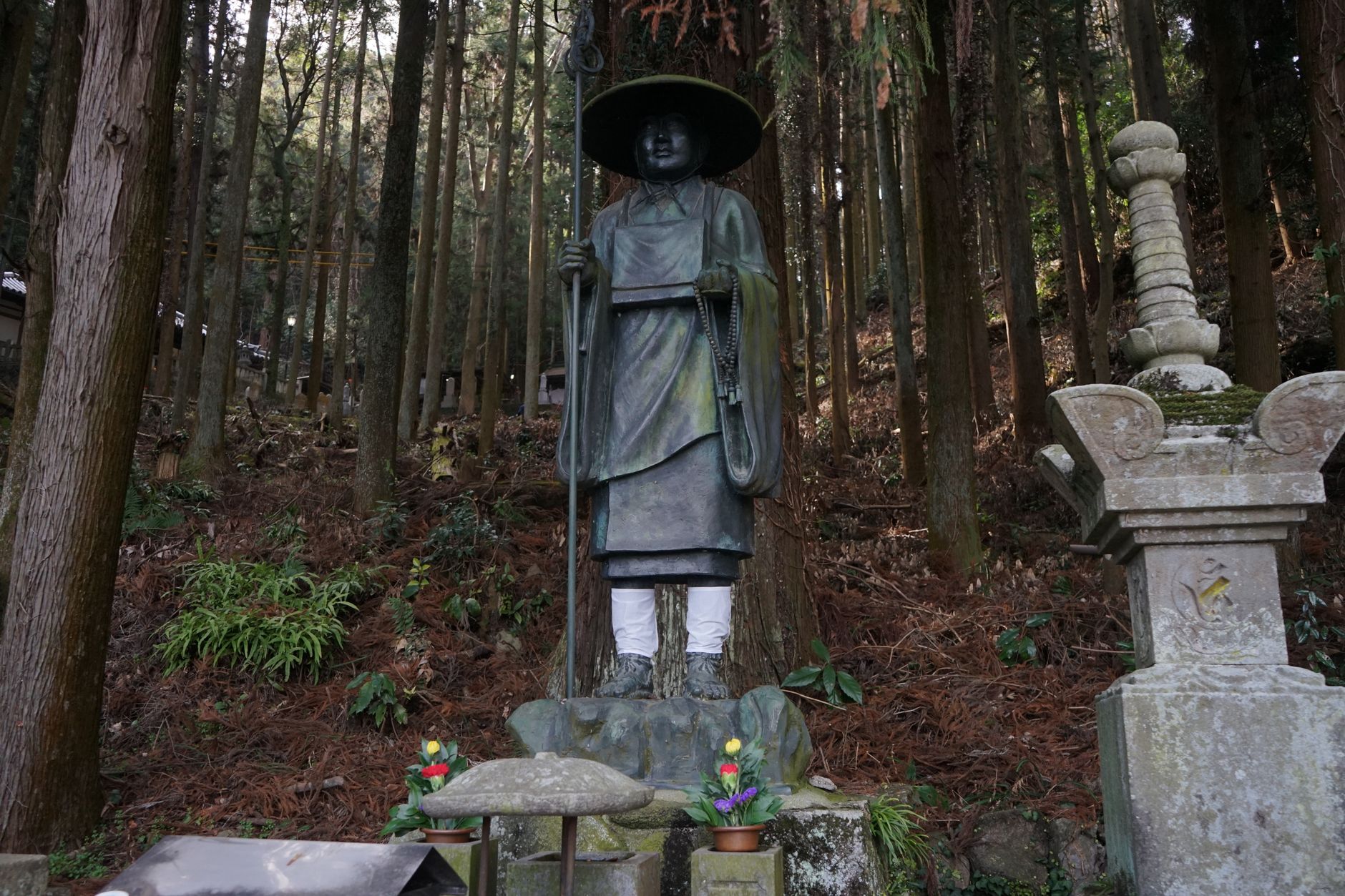
Eisai, a Rinzai Zen monk, returned from China in 1191 with more than spiritual teachings. He'd watched Chinese monks drink tea to stay alert during long meditation sessions—the gentle stimulation kept them focused without the jittery chaos of exhaustion or overstimulation. The logic was elegant: if the body is calm but awake, the mind can actually see.
He brought back tea seeds and a conviction. In his text Kissa Yōjōki (Drinking Tea for Health), Eisai didn't just describe brewing methods. He called tea "an elixir for the maintenance of life." This wasn't hyperbole in a time when medicine and spirituality were inseparable.
The seeds he planted—literally—took root in temple gardens across Japan.
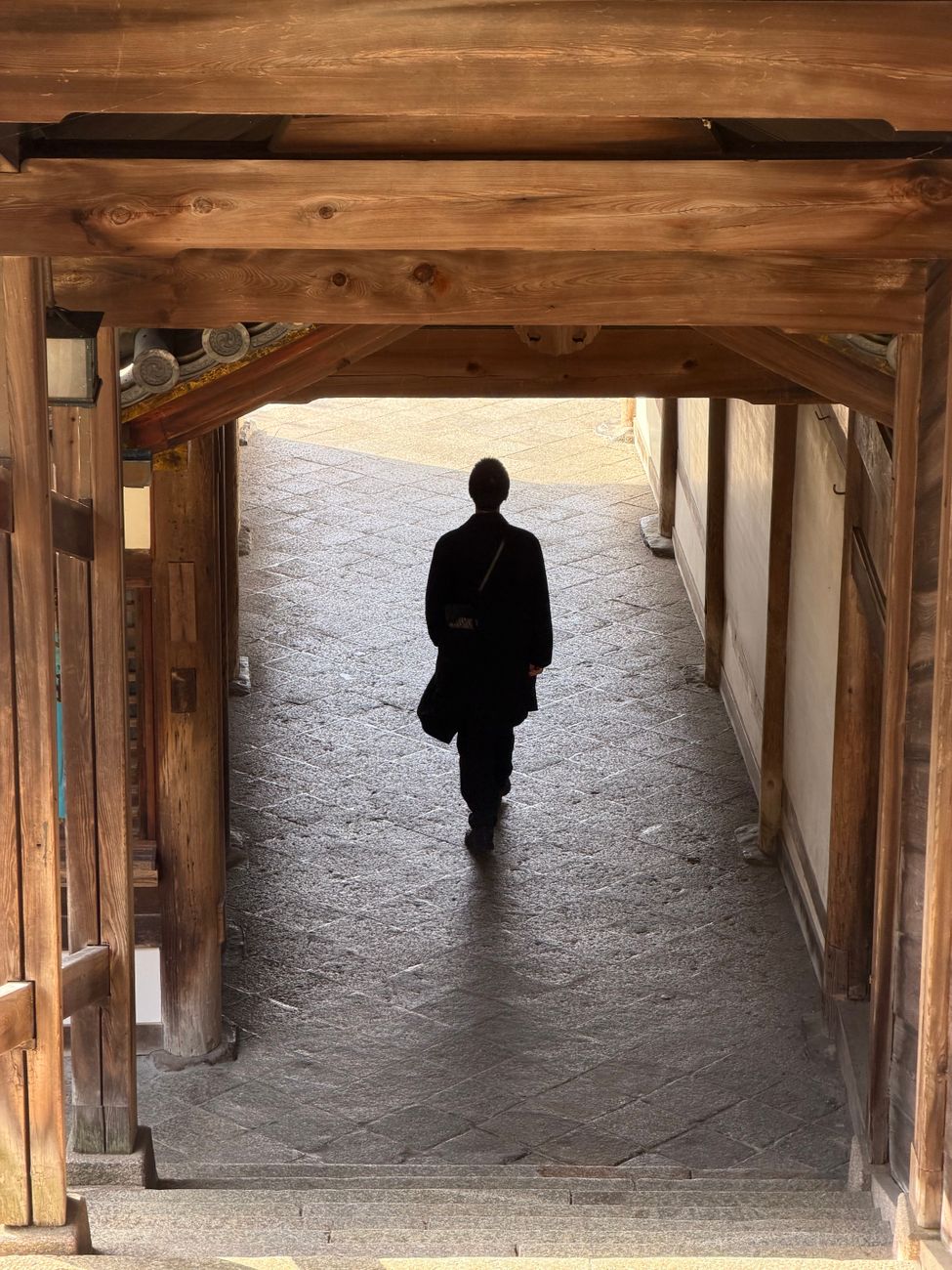
From monastery to ritual
Tea became the taste of discipline, the flavor of focused silence.
For centuries, tea remained largely within monastery walls. Monks cultivated it, processed it, drank it during long hours of zazen (seated meditation). The preparation itself became a practice—grinding the leaves into powder, whisking it with hot water, holding the bowl with both hands. Every gesture mattered. Every sip was attention itself.
This monastic culture laid the groundwork for what would later become chanoyu, the Japanese tea ceremony. The aesthetics of Zen—simplicity, asymmetry, reverence for the moment—seeped into every aspect of tea culture. The bowls were rough-hewn, imperfect. The rooms were spare. The movements were deliberate.
What started as monks trying to stay awake became an entire philosophy of presence.
The gift to a shogun
Tea might have remained a monastic secret if not for politics and patronage. Eisai famously served tea to the shogun Minamoto no Sanetomo, who was suffering from overindulgence. The tea helped. Word spread. Suddenly, the warrior class wanted what the monks had—not just the drink, but the clarity it represented.
By the 13th and 14th centuries, tea cultivation expanded beyond temple grounds. Yet the connection to Zen never broke. Even as tea became secularized, even as it entered the homes of samurai and later merchants, the ritualized preparation and mindful consumption remained. The monks had encoded their values into the very act of drinking.
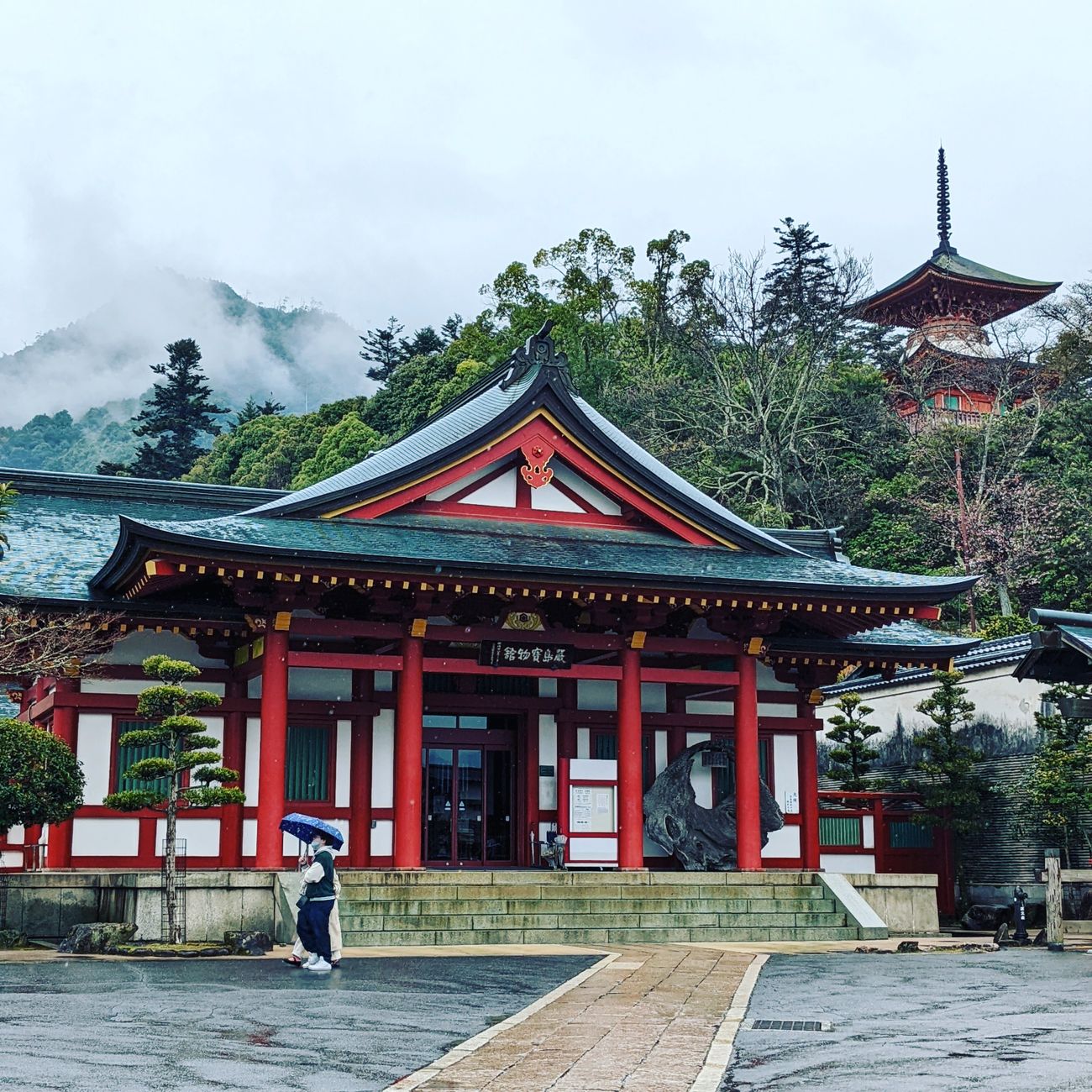
Seeds across the sea
It's worth pausing on the physical reality: someone carried seeds across the ocean. Not a large shipment, not a commercial venture—just seeds wrapped carefully, kept dry through storms and uncertainty, planted in foreign soil with no guarantee they'd grow.
That act of faith is itself very Buddhist. Plant something. Tend it. See what happens.
Those seeds became the tea gardens of Uji, of Shizuoka, of countless temple grounds. They became matcha and sencha and an entire vocabulary of cultivation. They became a culture.
##
The next time you hold a bowl of matcha, remember: you're holding the result of monks who believed that staying awake mattered, that attention was sacred, that a plant could carry teaching across water and time.
The leaf is still floating. We're still watching.
FAQ
Chaware curates authentic Japanese crafts — straight from the makers in Japan to your table.
Explore the Chaware collection →