Gyokuro vs Sencha: Understanding Japan's Most Revered Green Teas
On this page
Two green teas. Both from Japan. Both from the same plant. Yet one tastes like the ocean meeting a forest, the other like spring sunlight in liquid form.
The difference between gyokuro and sencha isn't about better or worse. It's about two philosophies of light.
What shadows do to a leaf
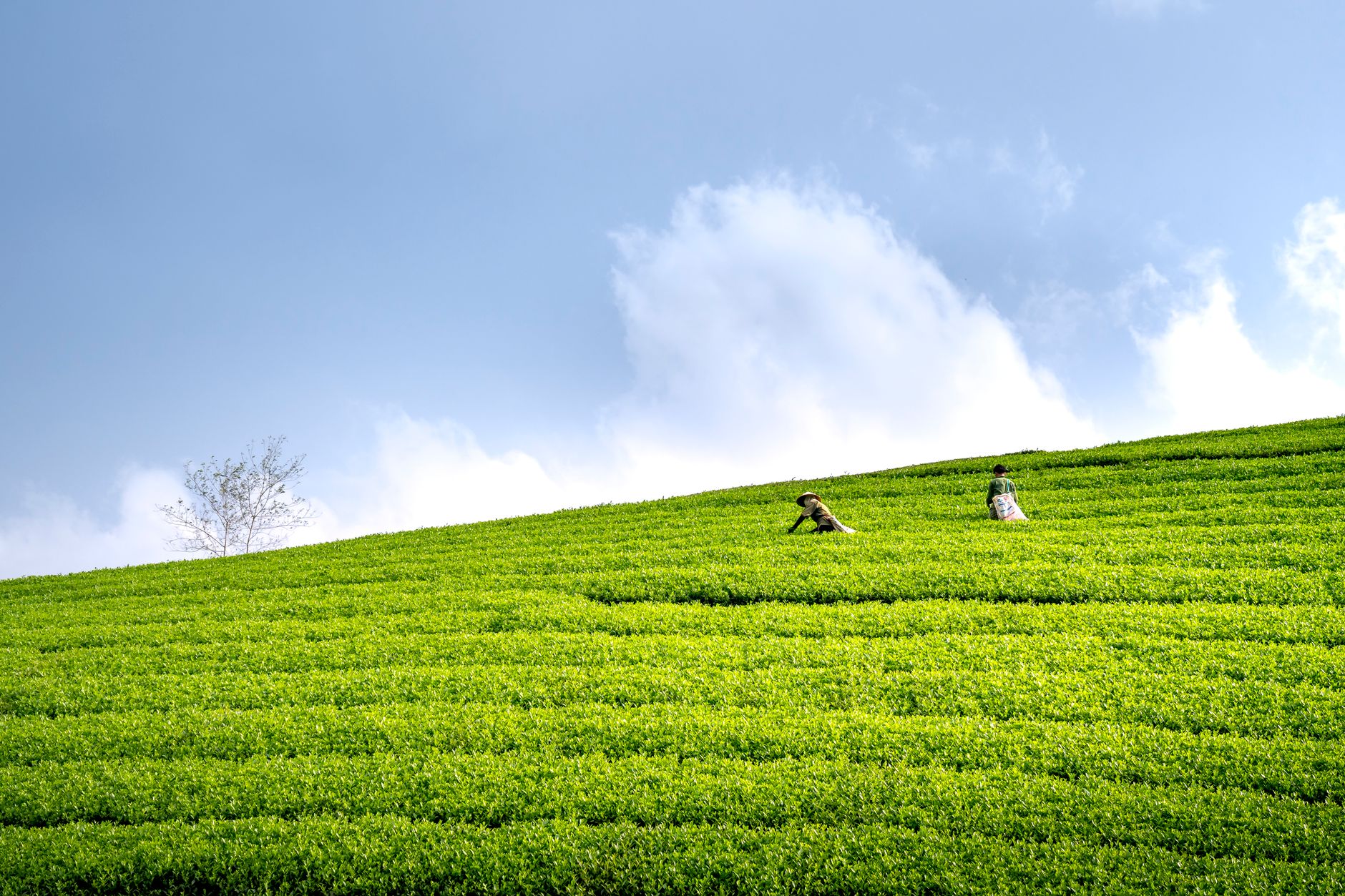
Sencha grows the way most tea does — under open sky, drinking in full sunlight for its entire life. The leaves photosynthesize freely, building catechins and developing that bright, grassy astringency you recognize as "green tea."
Gyokuro spends its final weeks in deliberate darkness.
About three weeks before harvest, farmers cover the tea plants with reed screens or black tarps, blocking roughly 90% of sunlight. Deprived of light, the plant shifts its chemistry. It produces more chlorophyll (deepening the green), more theanine (the amino acid behind umami sweetness), and less catechin (the source of bitterness). The result is a tea that tastes fundamentally different — not just "better sencha," but something else entirely.
This technique, called o-oi or kabuse, transforms the leaf at a molecular level.
The flavor split
Pour sencha and you'll taste brightness. Clean. Refreshing. A pleasant astringency that wakes the palate, with vegetal notes — fresh-cut grass, steamed edamame, a hint of citrus peel. It's the kind of tea that feels transparent, honest, straightforward.
Gyokuro is opacity itself.
Gyokuro doesn't taste like tea that's been improved — it tastes like tea that's been translated into a different language.
The first sip is almost brothy. Umami floods forward — that savory, mouth-coating richness you associate more with dashi than with plants. There's sweetness, but it's subtle, marine. Some describe nori. Others say fresh peas or sweet corn. The texture is thicker, almost viscous. And there's no bitterness to cut through the richness, which is why gyokuro can feel overwhelming if you're expecting the familiar snap of sencha.
How you brew them tells you what they are
Sencha is forgiving. You can brew it at 70–80°C (160–175°F), steep for a minute, and get something pleasant. It's daily tea. Morning tea. The tea you make without ceremony because you know it will work.
Gyokuro demands patience.
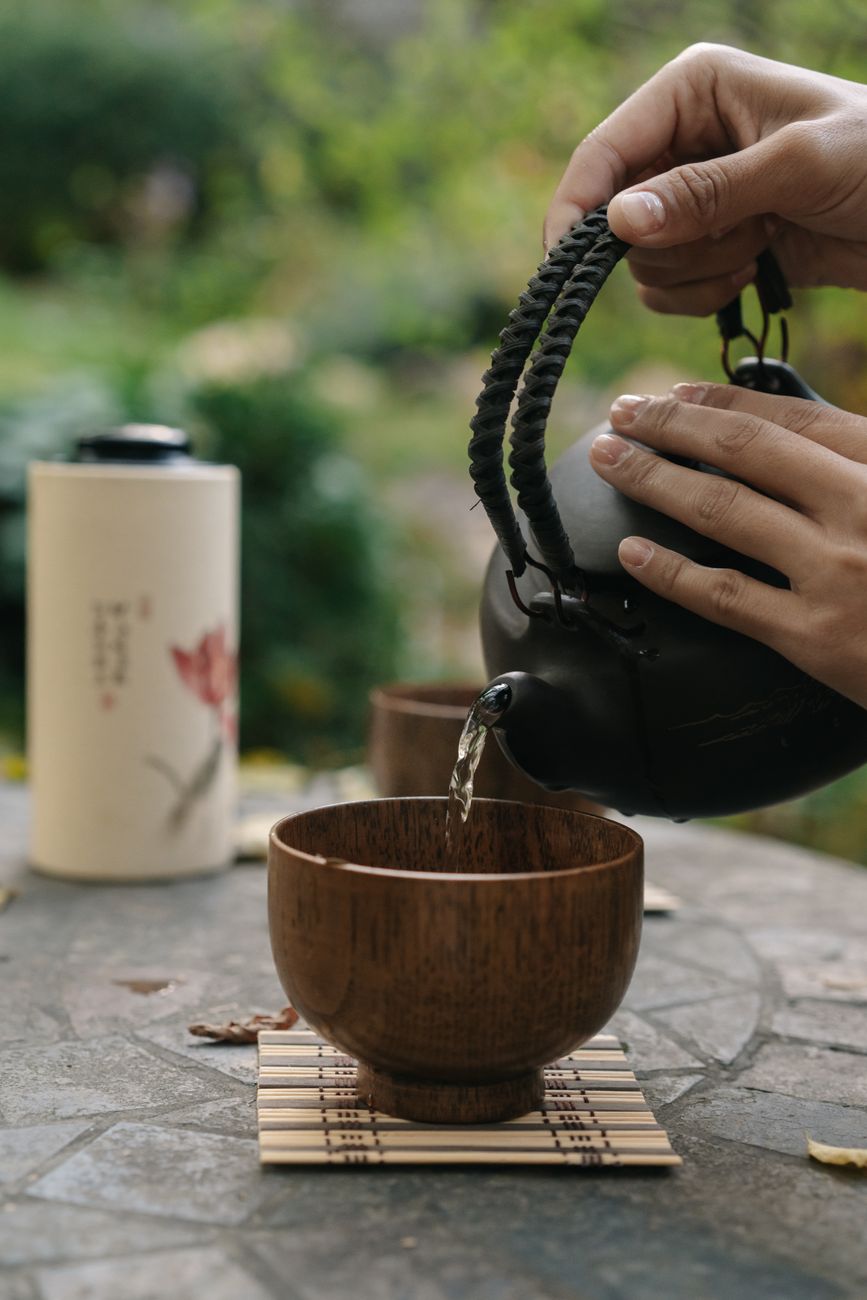
Brew it too hot and you'll scald away everything that shade-growing created. The ideal temperature hovers around 50–60°C (120–140°F) — barely warm to the touch. Steep time stretches to two minutes or more. The ratio is generous: more leaf, less water. You're not making a pot to share. You're making a small, concentrated experience, often just enough to fill a yunomi halfway.
This isn't fussiness. It's the only way to let the umami express itself without the heat forcing out harshness that isn't naturally there.
The cost of darkness
Shading is labor. It requires infrastructure — screens, frames, sometimes entire structures. It reduces yield, since shaded plants grow more slowly. And it demands timing; shade too early and you waste resources, too late and the chemistry doesn't shift enough.
This is why gyokuro costs three to ten times what sencha does.
Sencha is everyday abundance. Gyokuro is reserved intention — the tea saved for a particular afternoon, a specific guest, a moment you want to mark as separate from the rest. Not because it's "better," but because it asks you to slow down enough to notice what shadow and sunlight each leave behind.
One tea says morning. The other says pause.
FAQ
Chaware curates authentic Japanese crafts — straight from the makers in Japan to your table.
Explore the Chaware collection →