Ichiju Sansai: The Timeless Meaning Behind One Soup, Three Dishes
On this page
You set down your bowl, your chopsticks, a small plate. Without thinking, you've arranged a geometry older than your grandmother's grandmother.
The invisible blueprint on your table
Ichiju sansai—one soup, three dishes—isn't a recipe. It's a spatial logic, a way of thinking about balance that's shaped Japanese meals for centuries. The phrase describes the architecture of a traditional meal: a bowl of soup, a bowl of rice, and three side dishes (one main, two supporting). But its real work happens quietly, beneath the surface of what you eat.
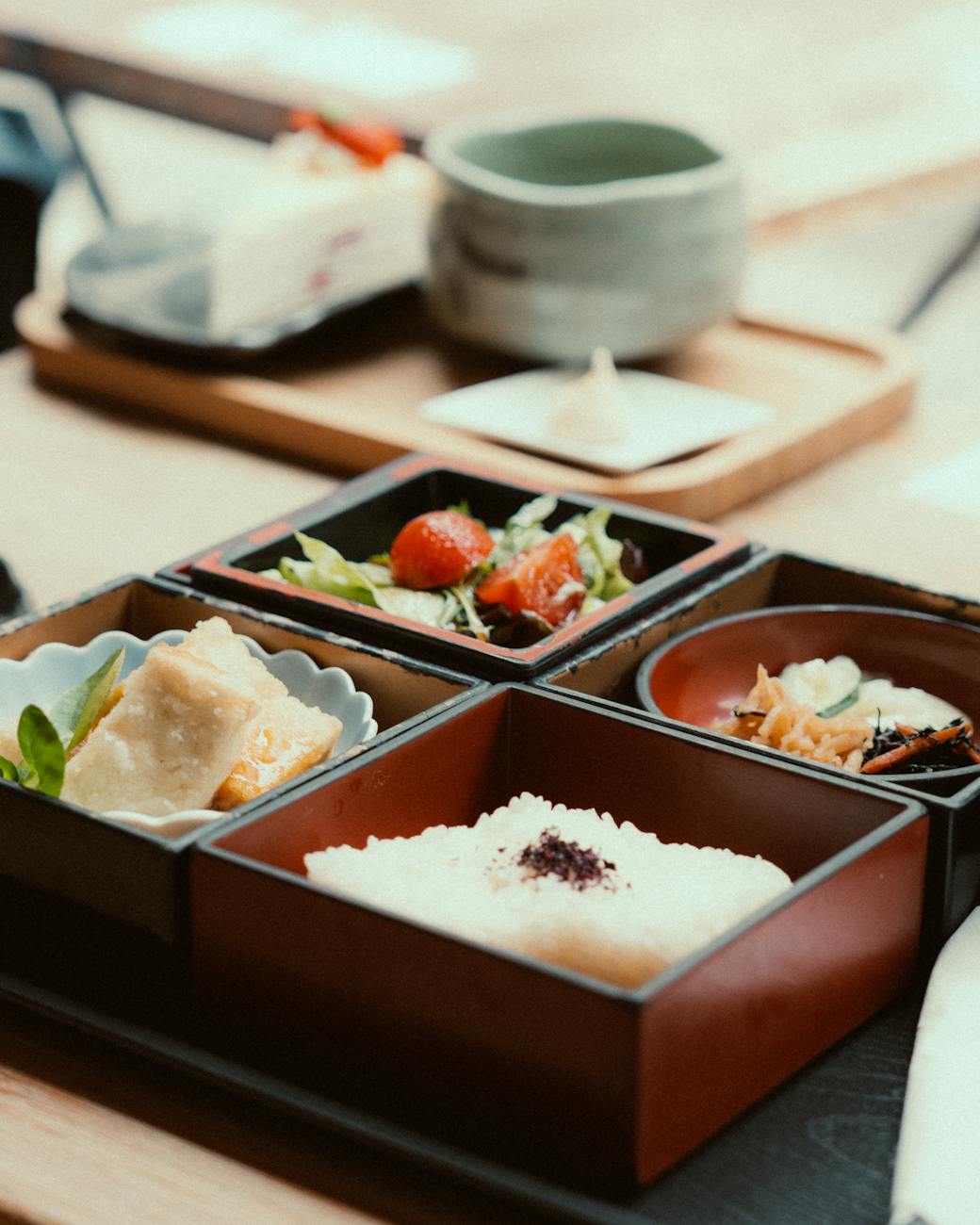
The format emerged during the Muromachi period, refined in Zen temple kitchens where monks ate in silence and waste was unthinkable. It wasn't about abundance. It was about enough—nutritionally, aesthetically, spiritually. Each element occupies its own vessel, its own visual and gustatory space. Nothing competes. Nothing overwhelms.
Five colors, five methods, five tastes
The brilliance hides in the constraints. Within those three dishes, cooks aim for variety across multiple dimensions: color (white, black, red, yellow, green), cooking method (raw, grilled, simmered, steamed, fried), and flavor profile (sweet, salty, sour, bitter, umami). You're not just eating protein and vegetables. You're experiencing a kaleidoscope that keeps your palate awake, your body nourished from multiple angles.
A grilled mackerel. Simmered pumpkin and konbu. A small mound of pickled cucumber.
The meal becomes a lesson in attention—not to eat more, but to notice more.
This isn't about following rules at every dinner. Most Japanese home cooks don't tick boxes while cooking. But the pattern lives in the muscle memory of the culture, shaping intuition about what feels complete.
The bowl that holds it all together
Rice and soup aren't just part of the count—they're the anchors. Gohan (rice) and shiru (soup) ground the meal, providing warmth and substance while the three dishes dance around them with flavor and texture. The soup is almost always miso, though clear broths appear too, carrying seasonal vegetables or a whisper of tofu.
What matters is the bowl itself, cradled in your left hand, brought to your lips. In Western dining, the plate stays on the table. In Japan, you lift the vessel, close the distance, make the act intimate. The weight of the bowl, its warmth, the curve against your palm—these aren't decorative details. They're part of eating.
A practice, not a performance
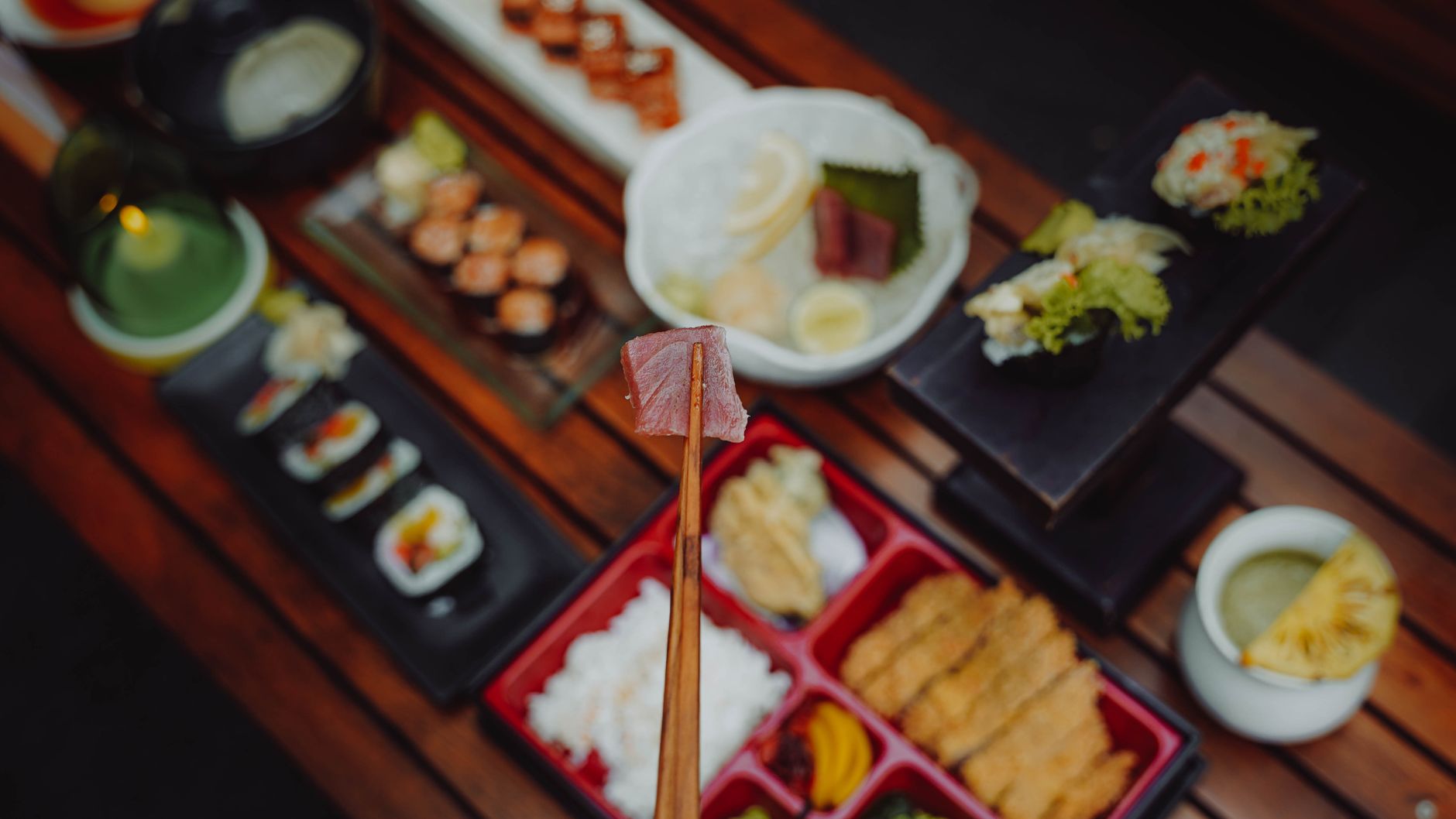
You won't find ichiju sansai printed on menus or announced at the table. It's infrastructure, not spectacle. A bento box mirrors its logic in miniature. A kaiseki meal expands it into a symphony. Even a hurried breakfast—rice, miso, a sheet of nori, leftover kinpira gobo, a wedge of tamagoyaki—echoes the same skeleton.
The beauty is in its flexibility. The three dishes shift with the seasons, the region, the contents of your refrigerator. In winter, a pot of nabe. In summer, chilled tofu and cucumber. The formula doesn't dictate; it guides. It asks you to think in balances, to consider what the body needs across a single meal rather than loading everything onto one plate.
And maybe that's the quiet lesson—not what you eat, but how you think about the act of eating. Completeness without excess. Variety within simplicity. A table set not for abundance, but for presence.
FAQ
Chaware curates authentic Japanese crafts — straight from the makers in Japan to your table.
Explore the Chaware collection →