Seasonal Japanese Plating: How Four Seasons Shape the Art of Presentation
On this page
A kaiseki meal arrives in winter: steaming chawanmushi in a rough, snow-dusted ceramic bowl. The same dish in July? Served chilled in a glass cup so clear you can see the ginkgo leaf suspended inside.
The plate isn't decoration. It's half the poem.
The calendar you can hold
In Japan, seasonal eating isn't just about what's ripe—it's about what the food feels like when it meets your eyes. Shun, the concept of peak seasonality, governs not only ingredients but the entire visual language of a meal. Spring's tender bamboo shoots arrive on lacquerware painted with cherry blossoms. Autumn's grilled fish rests on plates stamped with rust-red maple leaves.
This isn't theming. It's a quiet, centuries-old contract between cook and guest: I see the world outside. I'm bringing it to you.
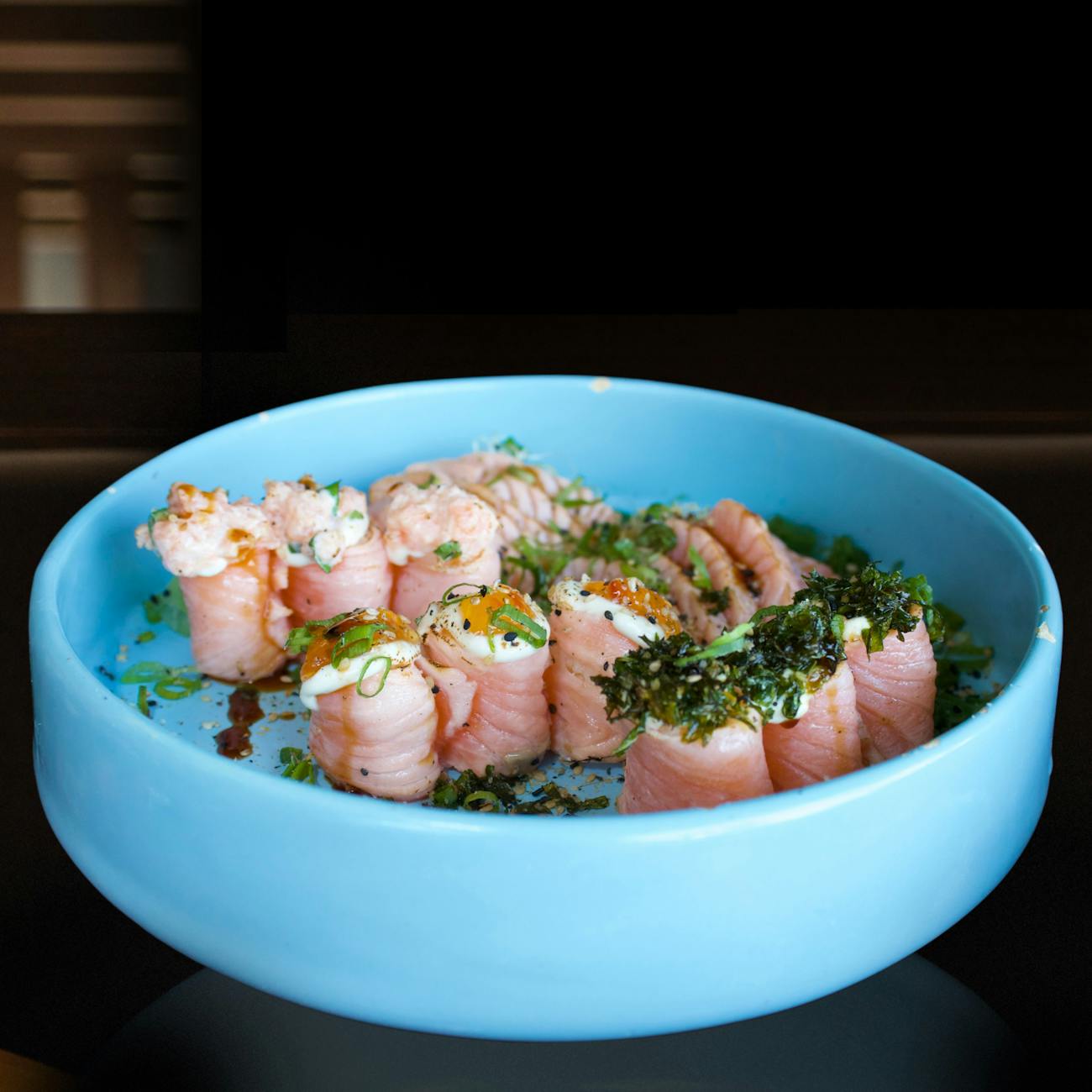
The plate becomes a frame for the season itself. Chefs choose vessels that echo temperature, light, even the weight of air. A winter dish needs visual warmth—deep indigo glazes, thick stoneware that holds heat. Summer demands the opposite: pale celadon, glass, anything that suggests coolness before you've taken a bite.
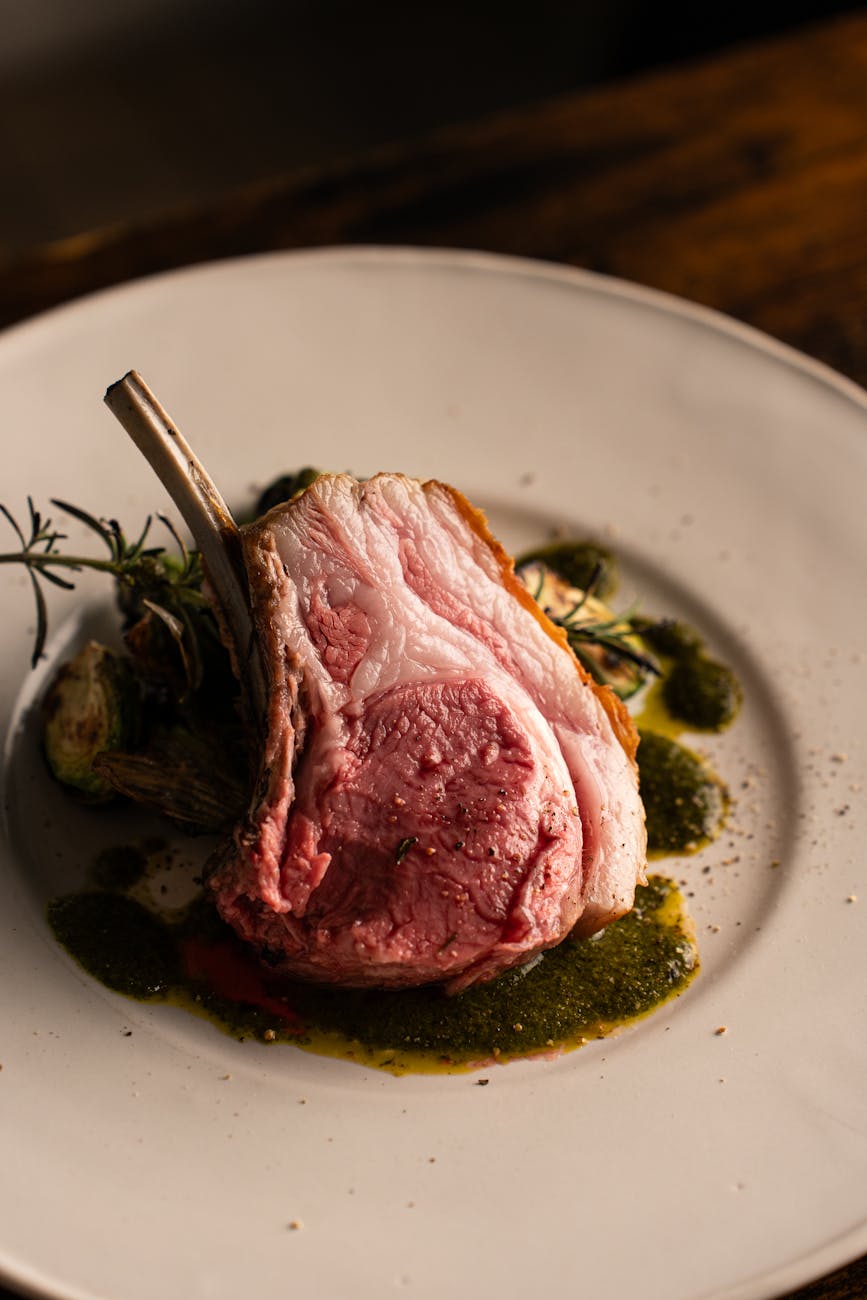
When the dish tells you what month it is
Walk into a traditional ryotei in Kyoto, and you can guess the season before tasting anything. The clues are everywhere.
In spring, you'll see soft greens and pinks—colors borrowed from new leaves and plum blossoms. Plates might be shaped like petals or painted with ume (plum) branches. The aesthetic is delicate, almost fragile, mirroring life just beginning again.
Summer brings a visual exhale. Transparent glass bowls. Cobalt blue that cools the eye. Minimalist white porcelain. Even the arrangement changes—ingredients are given space, separated, airy. The goal is psychological relief from humidity.
Autumn's table grows dense with color: persimmon orange, chestnut brown, the deep burgundy of fall leaves pressed into clay.
Winter pulls inward. Heavier ceramics. Darker glazes. Warmer tones—amber, charcoal, iron-red. Portions are often smaller but richer, nestled into vessels that feel like they're cradling heat.
The philosophy hiding in plain sight
This practice isn't about showing off. It's rooted in mottainai—the idea that nothing should be wasted, including the fleeting beauty of a season. If persimmons are only perfect for three weeks, then those three weeks deserve full attention.
It also reflects ichi-go ichi-e: this gathering, this moment, will never happen again. The spring of 2025 is not the spring of 2024. A May meal should feel unmistakably like this May.
Japanese plating treats seasonality as a form of presence. You're not just eating food; you're eating now. The ceramic artist who made the bowl six months ago was already thinking ahead to this specific week, this light, this temperature. The chef who chose it this morning was continuing that conversation.
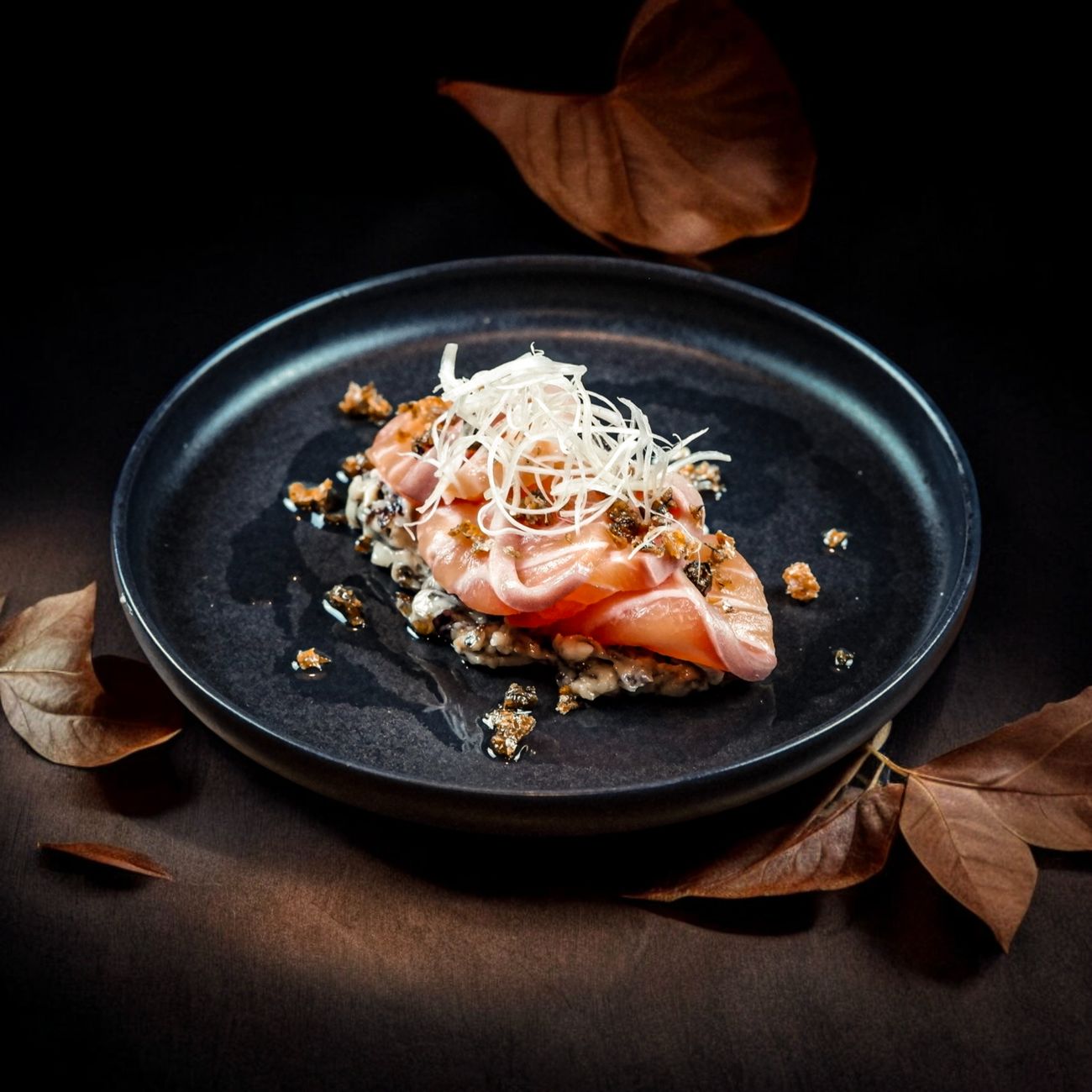
What the West often misses
Many outside Japan see the aesthetics—the Instagram-ready precision, the negative space—but miss the undercurrent. It's not about making food pretty. It's about making it true.
A summer tomato on a winter plate would feel like a lie, no matter how beautiful. The vessel and the ingredient must agree on what time it is.
This is why Japanese tableware exists in such staggering variety. You need different dishes because you're serving different worlds. The seasons aren't decorations. They're the point.
The plate remembers what month it is, even if you've forgotten.
FAQ
Chaware curates authentic Japanese crafts — straight from the makers in Japan to your table.
Explore the Chaware collection →