Why Maple Leaves Grace Japanese Autumn Plating: The Story Behind Seasonal Garnish
On this page
You set a plate in front of your guest, and resting beside the food—a single crimson maple leaf.
It's not decoration. It's a message.
The language written in leaves
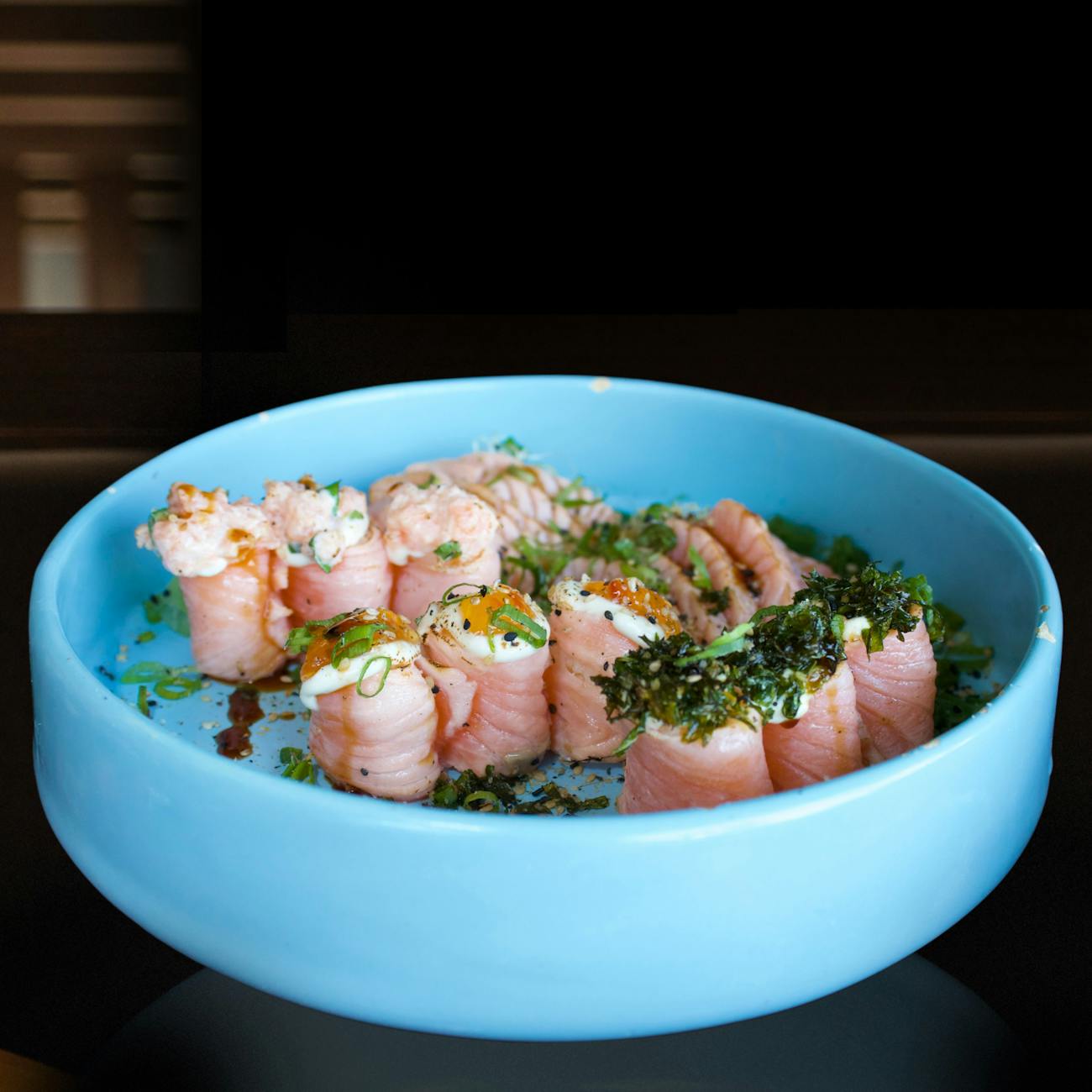
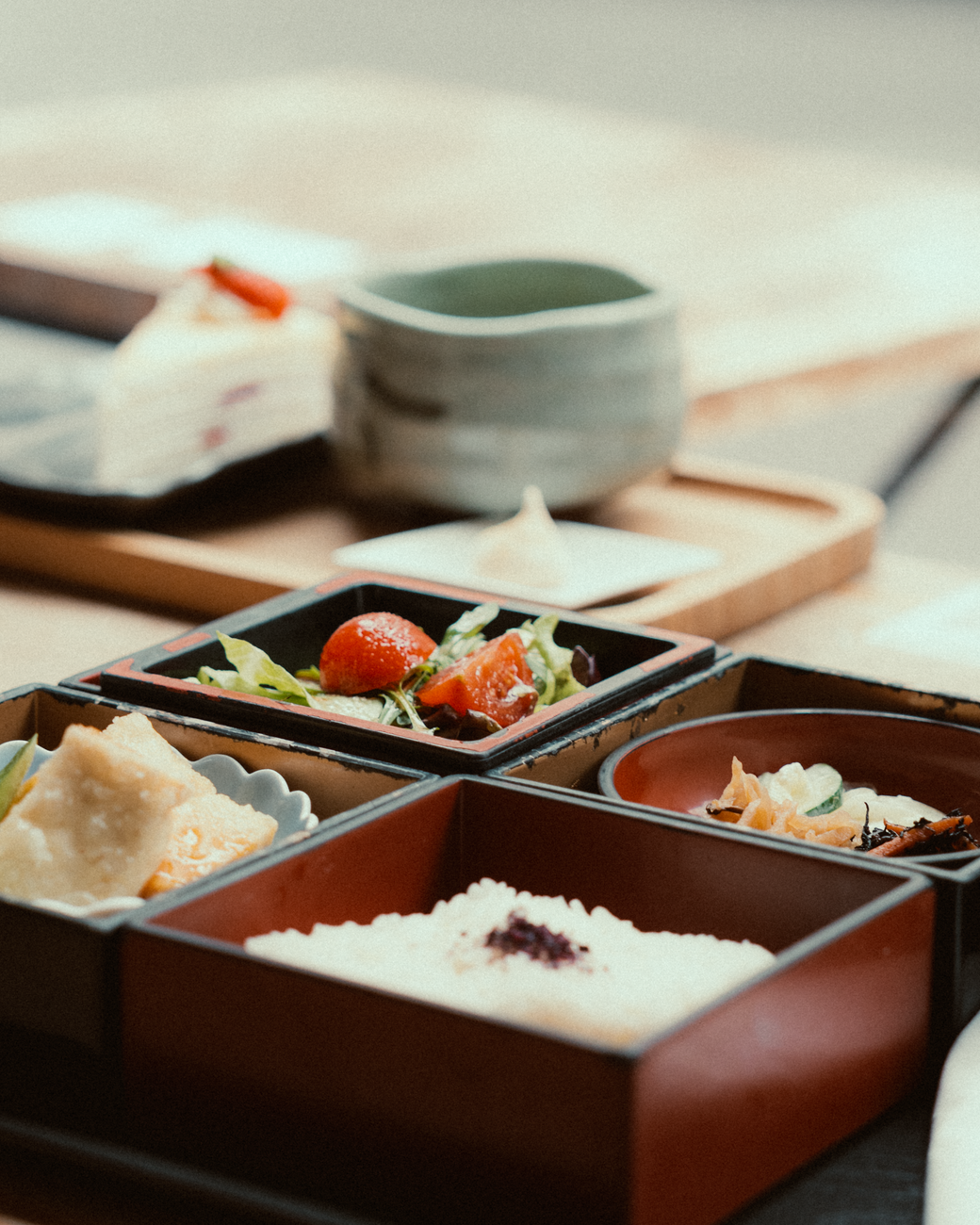
In Japan, autumn doesn't just arrive on the calendar. It arrives on your plate. Walk into a traditional kaiseki restaurant in October, and you'll see it immediately: real or ceramic maple leaves tucked beside grilled fish, nestled under steamed chestnuts, scattered across lacquerware like they've just fallen from the tree outside.
This isn't whimsy. It's shun—the culinary philosophy that food must reflect the exact moment of the season. The leaf tells you: this is now. Not last month, not next week. Now.
And the Japanese don't merely acknowledge autumn. They yearn for it.
Momiji: the leaf that stops time
The maple leaf—momiji—carries emotional weight that goes back centuries. Aristocrats in the Heian period held moon-viewing parties beneath turning maples, composing poetry about impermanence and beauty. The leaf became a symbol of fleeting perfection, of things at their peak before they fall.
So when a chef places one on your dish, they're not garnishing. They're setting a mood. They're asking you to pause and recognize the transience of the season—and of the meal itself.
The maple leaf on your plate is an invitation to feel time passing.
In tea ceremony, autumn gatherings often feature dishes painted with scattered red leaves, echoing what's happening in the garden beyond the tearoom walls. The boundary between inside and outside dissolves. You're eating within the season, not just during it.
What the leaf teaches the cook
Autumn plating in Japanese cuisine follows an unspoken code. The colors shift—deep oranges, chestnuts browns, persimmon reds. Ceramics change too: glossy summer glazes give way to rustic, earth-toned vessels that feel like forest floor.
The garnishes aren't random:
- Maple leaves for early to mid-autumn, when color peaks
- Ginkgo leaves for late autumn, golden and architectural
- Chrysanthemum petals throughout, edible and symbolic of longevity
Each one reinforces the same idea: food exists in time. A dish served in September should look nothing like the same dish in July. The ingredients change, yes—but so does the entire visual language.
Western plating often aims for timelessness, for a look that works year-round. Japanese autumn plating does the opposite. It insists on ephemerality.
Why it matters now
In an age of year-round strawberries and seasonless dining, the maple leaf on a plate is a quiet rebellion. It says: this matters because it won't last.
You can't shortcut it. You can't serve summer's bright greens and call it autumn. The aesthetic doesn't work if the timing is wrong. And that discipline—that refusal to fake the season—is what makes the moment real.
The next time you see a leaf on a Japanese dish, don't brush it aside. It's there to remind you that some things are only beautiful because they end.
And autumn, like the meal, is already halfway gone.
FAQ
Chaware curates authentic Japanese crafts — straight from the makers in Japan to your table.
Explore the Chaware collection →