Donburi Culture: The Philosophy and Beauty of Japan's Single Bowl Meal
On this page
You can tell a lot about a culture by what it chooses to put in a single bowl.
In Japan, that bowl is called donburi — though the word does double duty. It names both the deep ceramic vessel and the entire category of meals served within it. Rice on the bottom, a simmered topping ladled over the top, and nothing else required. One bowl. One spoon or pair of chopsticks. A complete meal that somehow feels both humble and sufficient.
Everything you need, nothing you don't
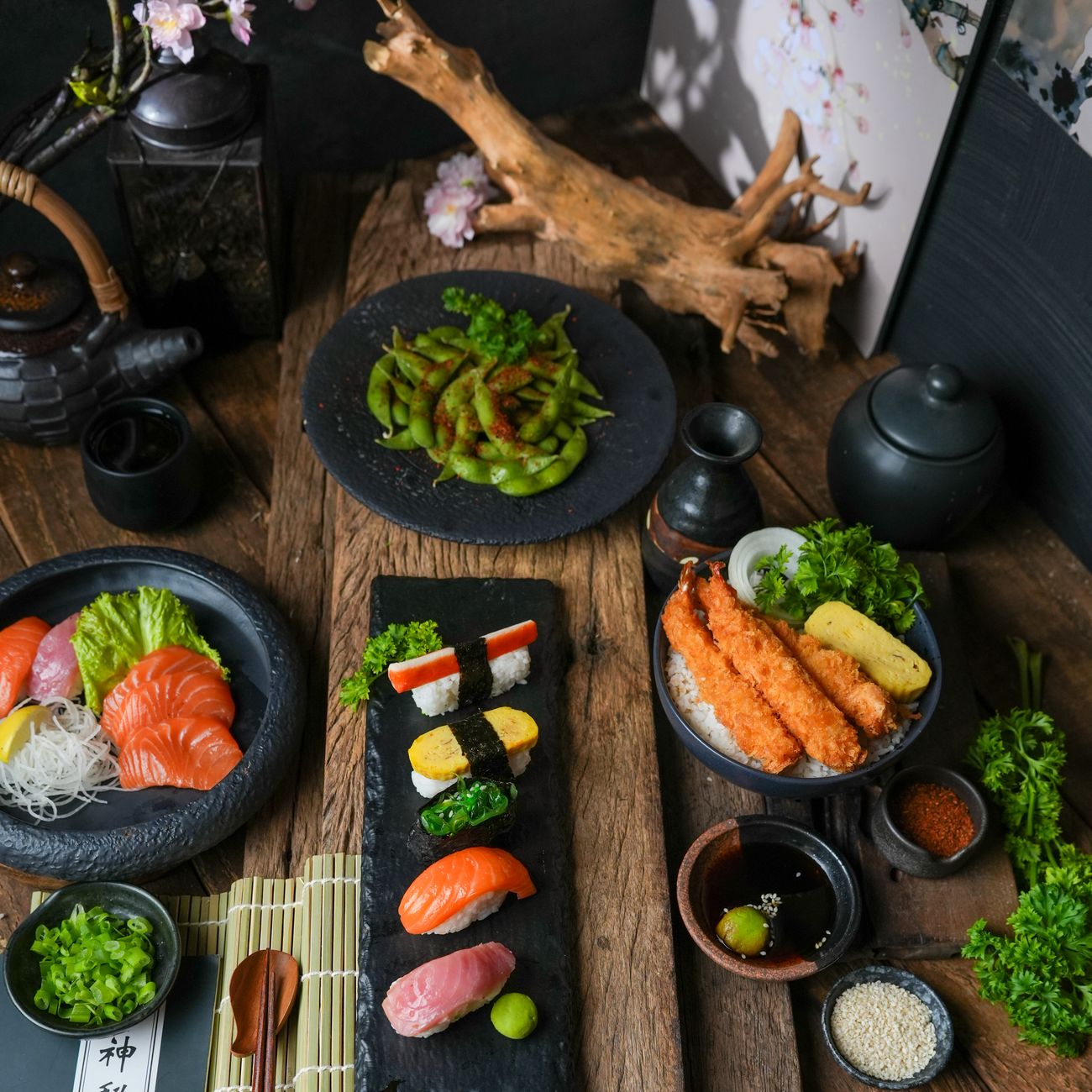
The donburi format makes an elegant argument: complexity isn't the same as completeness. There's no parade of small plates, no elaborate progression of courses. Instead, the toppings — whether katsudon (breaded pork cutlet with egg), oyakodon (chicken and egg, literally "parent and child"), or tendon (tempura over rice) — soak into the grains below, turning each bite into a different ratio of texture and flavor.
It's a structure that rewards the eater's pace. Dig straight down and you get the concentrated top layer. Stir a little and the sauce redistributes. Scrape the sides and you'll find the rice that stayed fluffy and separate.
A meal shaped by motion
Donburi culture rose alongside Japan's rapid urbanization in the late Edo and Meiji periods, when workers needed fuel that didn't require sitting down for an hour. Soba shops started offering rice bowls. Tempura stalls realized their fried shrimp could ride home on a bed of rice instead of a plate. The format spread because it solved a problem: how do you eat well when you're short on time, space, or ceremony?
The bowl itself became the plate, the cooking vessel's descendant, and the hand's natural companion all at once.
But donburi never felt like fast food in the modern sense. It stayed rooted in craft. The rice is still rinsed and steamed with attention. The toppings are still prepared with the same techniques you'd find in a sit-down restaurant. Speed, yes — but not shortcuts.
The bowl matters more than you think
Walk into any donburi shop and you'll notice the vessels vary wildly. Some are wide and shallow, made for gyudon (beef bowl) where you want maximum surface area for the simmered meat. Others are tall and steep-sided, holding heat for unadon (grilled eel) that needs to stay warm through the last bite.
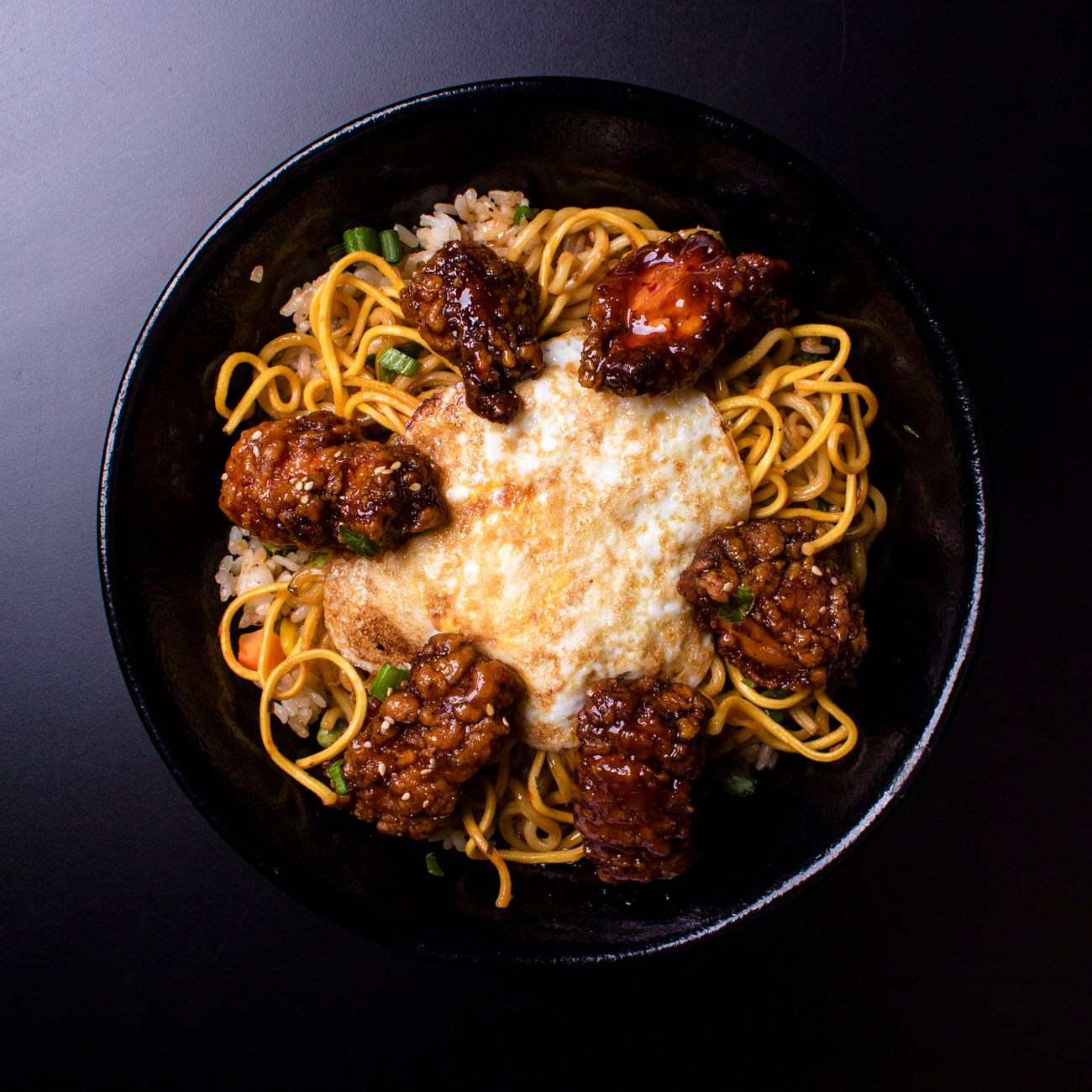
Most are simple glazed stoneware: sturdy enough for daily use, thick enough to insulate. The best have a subtle weight in the hand, a balance that lets you hold the bowl close to your mouth — the traditional way to eat rice in Japan — without strain. You're not meant to eat donburi at arm's length with a fork. You cradle it. You engage.
What the bowl teaches
There's a particular kind of satisfaction in a meal that knows its boundaries. Donburi doesn't sprawl. It doesn't require side dishes or a large table or even a chair. It fits in your hands, and in doing so, it makes a quiet claim: that sufficiency and simplicity can coexist with flavor, craft, and care.
The rice settles. The toppings crown. The bowl holds it all without ceremony or apology.
FAQ
Chaware curates authentic Japanese crafts — straight from the makers in Japan to your table.
Explore the Chaware collection →