The Cultural Roots of Tatami Dining: Why Japan Sits on the Floor to Eat
On this page
You lower yourself to the floor, fold your legs beneath you, and suddenly your meal feels different. The table is closer. The room is quieter. Your posture changes the entire experience.
This isn't accident or discomfort—it's centuries of intention.
The floor as foundation
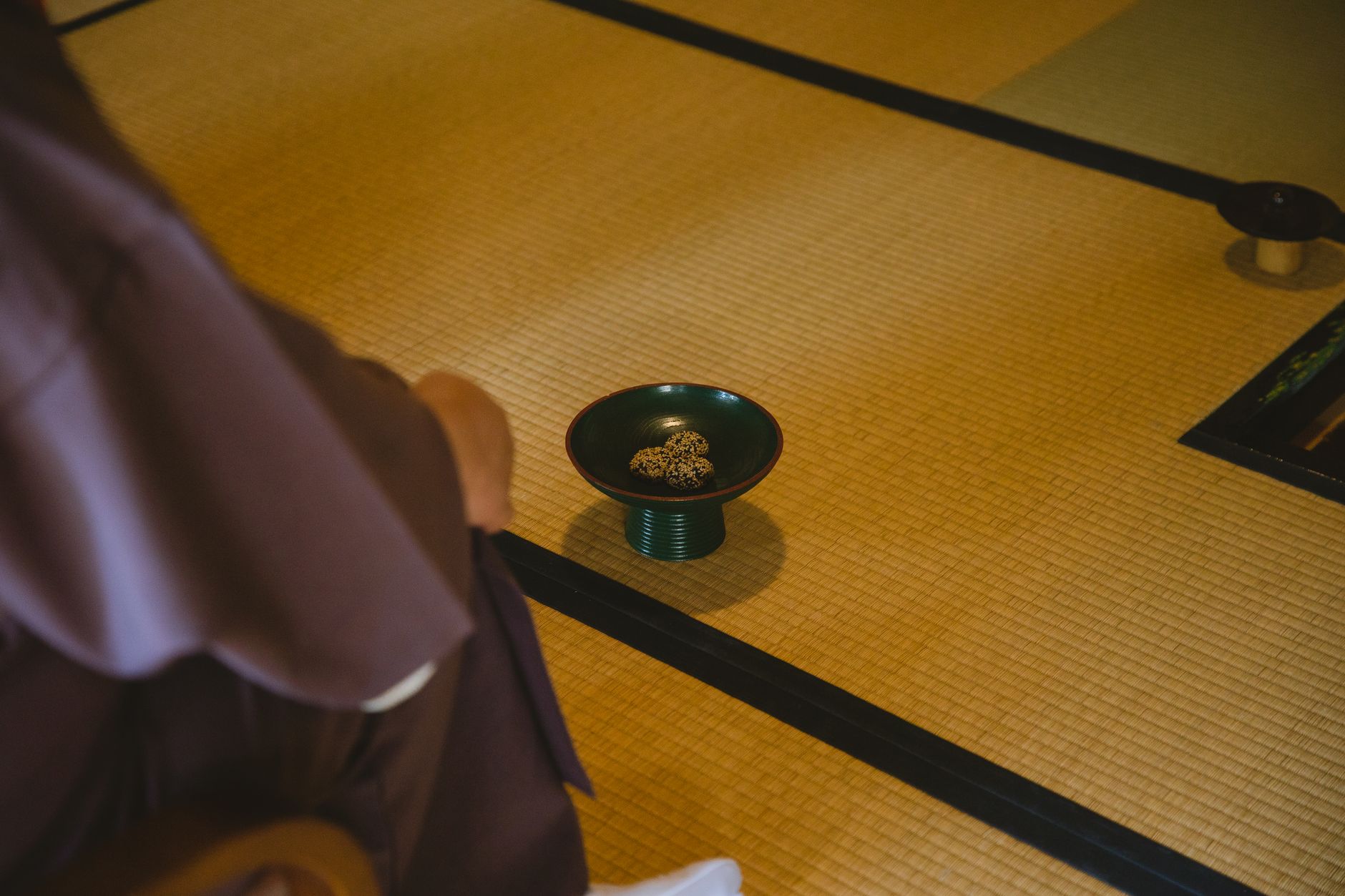
Tatami mats arrived in Japanese homes during the Heian period, initially as luxury items reserved for nobility. By the Muromachi era, they had spread through samurai residences and eventually into commoner homes. But the shift wasn't just about comfort. Sitting directly on woven rush grass meant living close to the earth, maintaining what architects and cultural historians describe as a "horizontal consciousness"—an awareness of space that unfolds outward rather than upward.
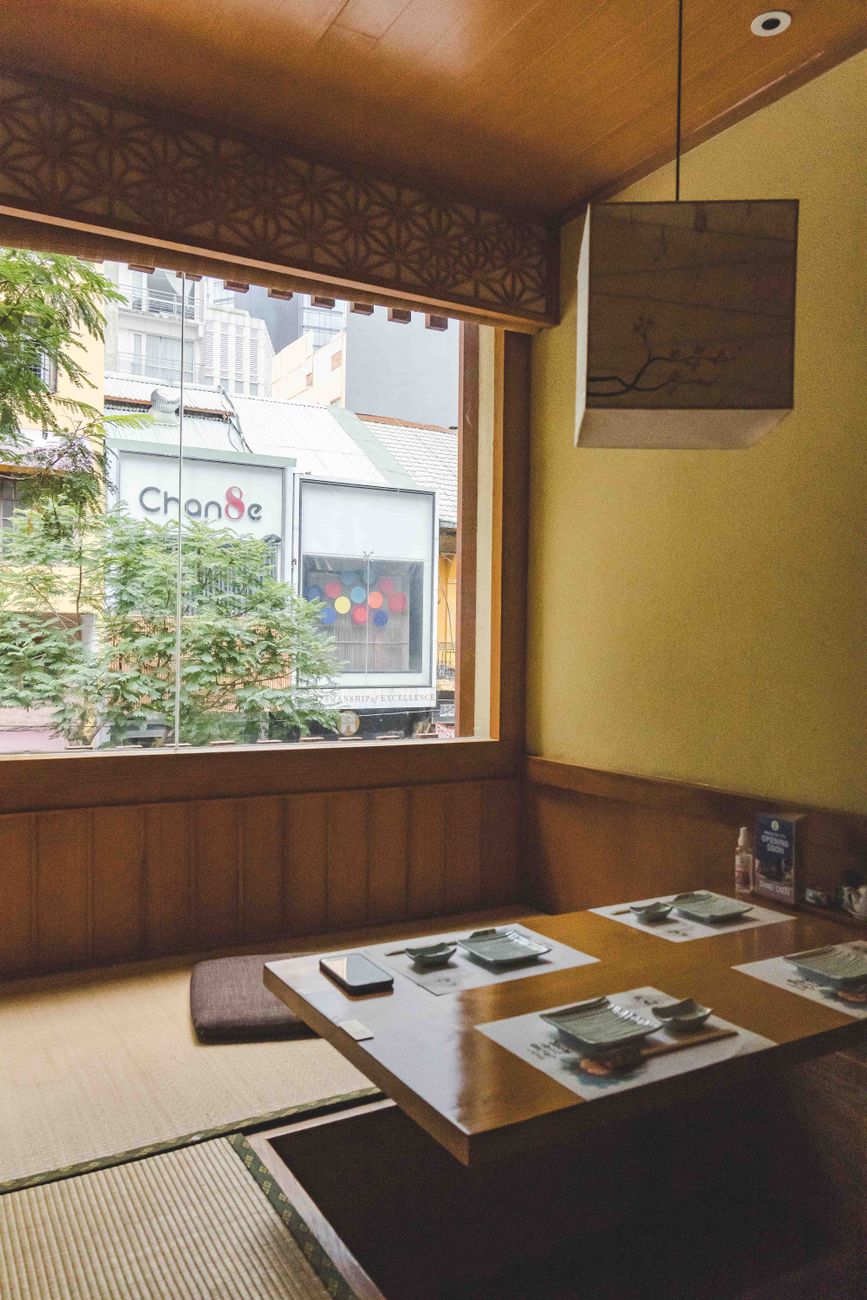
When you sit on tatami to eat, you're not simply sitting low. You're entering a spatial logic where the ceiling matters less than the expanse around you, where sliding doors can transform rooms, and where furniture becomes optional.
The body learns respect
Seiza—the formal kneeling position with legs folded beneath the body—looks serene from the outside. From the inside, especially for the uninitiated, it can feel like controlled suffering. Yet this is precisely the point.
The posture demands attention. You can't slouch into seiza. You can't mindlessly scroll. Your spine lengthens, your breathing deepens, and your awareness sharpens. In tea ceremony, in formal meals, in moments that matter, the body's discipline becomes a form of presence. Even the more relaxed agura (cross-legged) position maintains a certain groundedness that chairs simply don't require.
Sitting on the floor doesn't just lower your body—it reorganizes your relationship to the room and everyone in it.
Eye level as equality
Here's what changes when everyone sits at the same height: hierarchy flattens, at least physically. In a traditional washitsu (Japanese-style room), the host and guest meet eye-to-eye without the subtle power plays of chair height and table position. The tokonoma alcove becomes the room's focal point, not the head of a table.
This doesn't erase social structure—Japanese culture has plenty of that—but it redistributes it. Status gets expressed through seating position relative to the alcove, through who pours tea, through language and gesture. Not through furniture.
The practical poetry of low tables
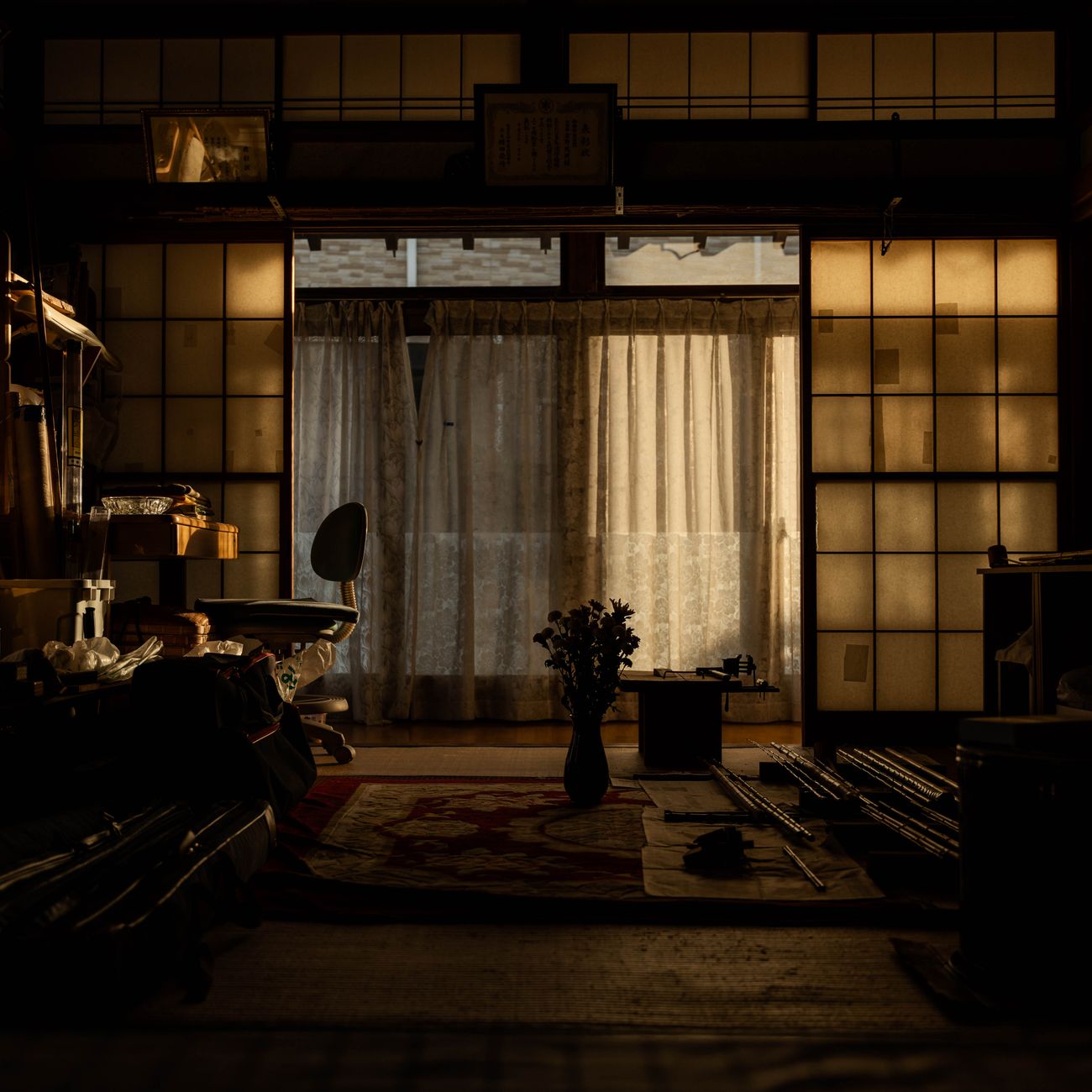
Chabudai, the low dining tables that became common in the early 20th century, emerged as Japanese homes modernized but retained tatami flooring. These round or square tables sit just inches off the ground, designed for people already seated on the floor.
What they enable is flexibility. A chabudai can be moved easily, stored away, brought out for meals and cleared for other activities. The room breathes. It transforms. Morning breakfast becomes afternoon work space becomes evening gathering spot—all the same floor, all the same tatami, different configurations.
This isn't minimalism as aesthetic trend. It's minimalism as spatial necessity in compact homes where every square meter works overtime.
What the floor remembers
Walk into a traditional Japanese restaurant today and you might be offered a choice: table seating or zashiki (tatami room). Many choose the table—it's easier, more familiar, kinder to stiff knees and backs unaccustomed to floor life.
But something is lost in that comfort. The particular intimacy of a meal where everyone shares the same ground. The way hot tea warms your hands differently when you're already low and still. The consciousness that comes from a body paying attention to itself, to its posture, to the texture of woven grass beneath bare feet.
The floor, it turns out, has always been teaching.
FAQ
Chaware curates authentic Japanese crafts — straight from the makers in Japan to your table.
Explore the Chaware collection →