Agari Green Tea: The Meaning Behind A Cup Of Green Tea After Sushi

On this page
You finish your sushi, set down your chopsticks, and the server places a small cup of green tea in front of you. It's not just routine. It's ritual.
The tea with its own name
In sushi restaurants, this cup of green tea is called agari. The word comes from the verb agaru, meaning "to rise" or "to be served." It's insider language — originally sushi chef slang — for the tea that marks the end of a meal. You won't hear this term used for tea anywhere else. Not at home. Not in kaiseki restaurants. Only at the sushi counter.
Agari is almost always konacha, a particular grade of green tea made from the fine particles and dust left over after processing higher-grade leaves. It brews fast, strong, and cloudy. The flavor is bold, vegetal, slightly astringent — nothing delicate about it.

Why this tea, after this meal
The timing and the type of tea aren't accidents.
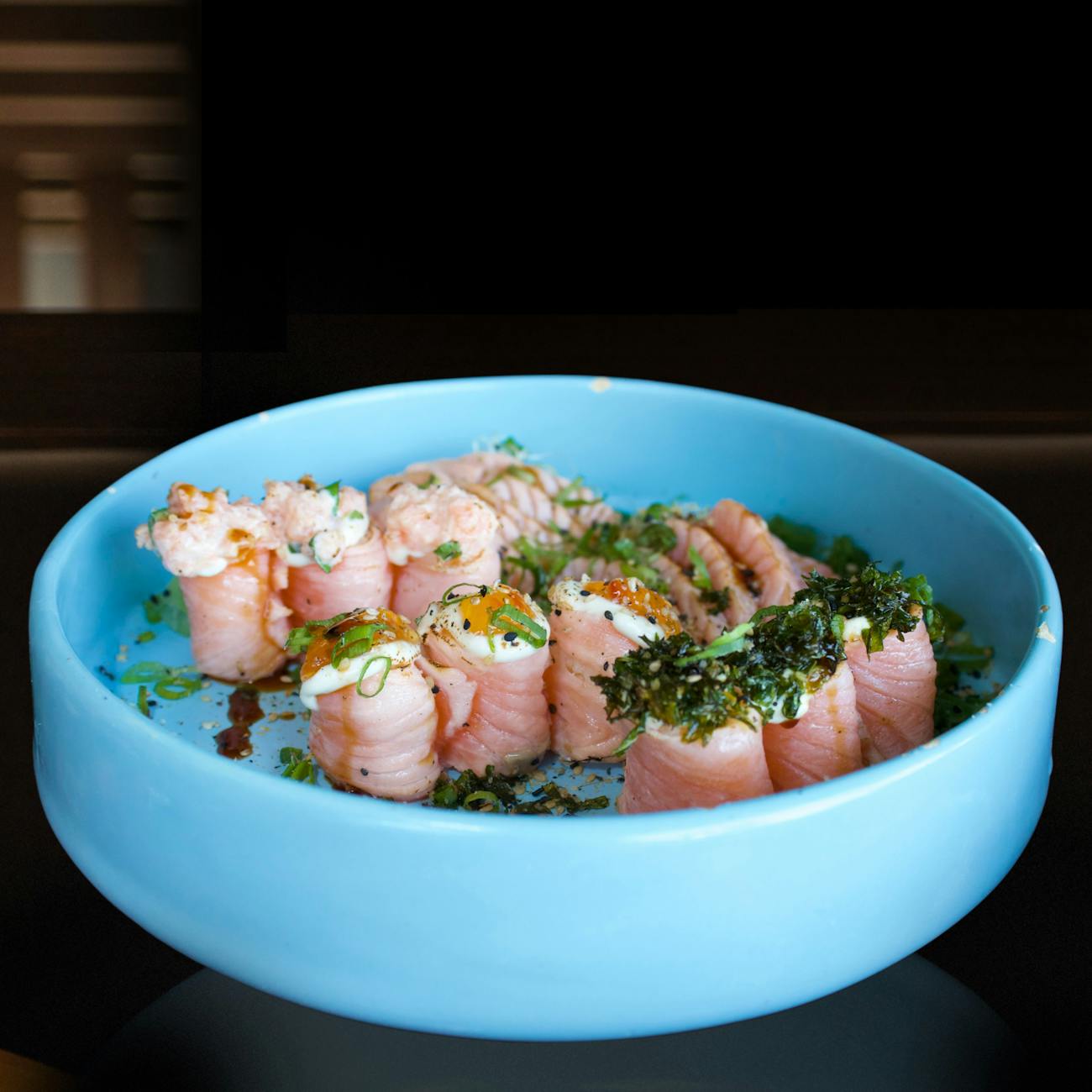
Sushi is rich. The oily belly of tuna. Sweet shrimp. Fatty salmon. Even the rice, lightly seasoned with vinegar and sugar, coats your palate. Agari cuts through all of it. The tannins in the tea cleanse your mouth, reset your taste buds between pieces, and aid digestion after a meal heavy in raw fish and rice. It's functional — but function, in Japanese dining, is always wrapped in grace.
Tea after sushi isn't a courtesy; it's completion.
The temperature matters, too. Agari is served hot, even in summer. The warmth soothes your stomach, signals the close of the meal, and balances the coolness of the fish you've just eaten. You cradle the cup in both hands, take small sips, and the meal settles.
The etiquette you didn't know you were following
At traditional sushi counters, agari flows freely. It's usually complimentary, refilled without asking. You never have to order it. You don't need to say "agari" aloud unless you're signaling to the chef that you're familiar with the culture — and even then, a simple "ocha kudasai" (tea, please) works just fine.
Some diners drink agari throughout the meal. Others wait until the end. There's no rigid rule, but purists suggest sipping it between rounds to cleanse your palate, especially after eating something oily or strongly flavored. It keeps your senses sharp for the next piece.
And here's a small grace note: in many sushi shops, the tea is self-serve, kept in a large thermos at the counter. Pouring your own isn't rude. It's expected.

What the cup tells you
The tea itself is humble — leftovers, essentially. But that humility is the point. Agari doesn't try to impress. It doesn't compete with the fish. It serves. It completes. It knows its place in the choreography of the meal, and it performs that role with quiet confidence.
This is a small illustration of a larger truth in Japanese culture: that even the simplest gesture, repeated with intention, becomes meaningful. A cup of dusty green tea, served hot, at the right moment, transforms from beverage into punctuation.
The meal ends not when the last piece of sushi is gone, but when the last sip is taken.
FAQ
Chaware curates authentic Japanese crafts — straight from the makers in Japan to your table.
Explore the Chaware collection →