How Shojin Ryori Temple Cuisine Shapes the Modern Vegetarian Table
On this page
A bowl of rice, a miso soup, a single vegetable simmered until tender. No meat. No ego. Just enough.
This is shojin ryori, the vegetarian temple cuisine that has quietly shaped Japanese cooking for over 800 years—and continues to influence how modern chefs think about restraint, seasonality, and the power of doing less.
The discipline that arrived with Zen
When Zen Buddhism traveled from China to Japan in the 13th century, it brought more than meditation practices. It carried a culinary philosophy: food as spiritual practice, eating as an act of mindfulness. Monks needed sustenance that didn't violate the Buddhist precept against taking life, so they turned to what the earth offered freely—vegetables, grains, beans, seaweed, wild mountain plants.
But this wasn't deprivation. It was transformation. Within monastery kitchens, cooks developed techniques to coax profound flavor from humble ingredients, proving that limitation could be a form of liberation.
Five colors, five flavors, five ways
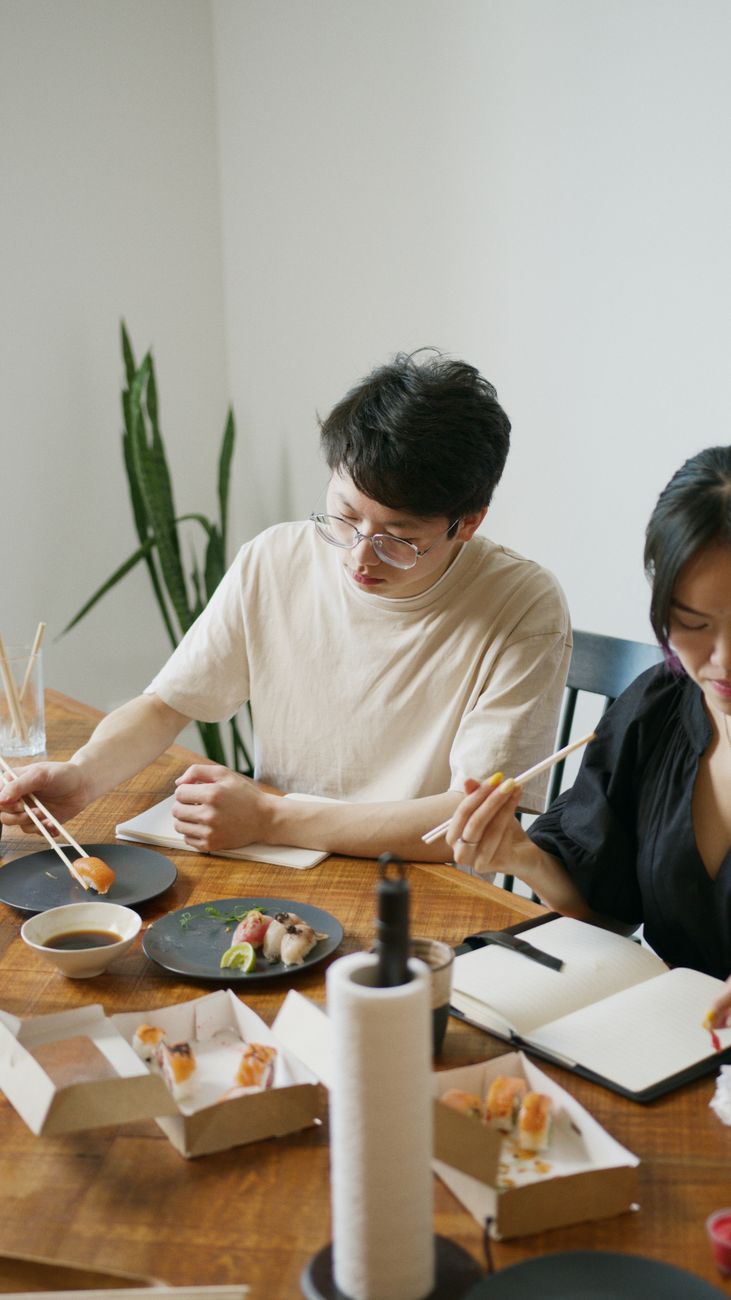
Buddhist cuisine in Japan follows a framework so elegant it feels like poetry. Five colors: white, black, red, green, yellow. Five flavors: sweet, sour, salty, bitter, umami. Five cooking methods: raw, simmered, grilled, steamed, fried.
The system isn't arbitrary. It ensures nutritional balance, visual harmony, and—crucially—that no ingredient dominates. A shojin meal asks you to taste each element fully, to notice the sweetness in a daikon radish, the mineral depth of kombu dashi, the quiet richness of sesame.
Everything is seasonal, because monks ate what grew nearby. Spring bamboo shoots. Summer eggplant. Autumn mushrooms. Winter root vegetables. The menu changed with the temple garden.
Shojin ryori teaches that flavor doesn't require force—it requires attention.
What the monastery gave the world
You've tasted shojin's influence even if you've never eaten in a temple. That dashi made from kombu instead of bonito? Shojin innovation. Tofu in all its forms—silken, pressed, fried, frozen? Refined and elevated in monastery kitchens. Miso soup as a daily ritual? Born here.
Even kaiseki, Japan's haute cuisine, owes its structure to shojin: the progression of small, seasonal courses, the emphasis on natural presentation, the idea that a meal should reflect the moment in time when it's served.
Temple cooks also pioneered what we now call plant-based cooking techniques. They learned to create richness without animal fat, umami without meat, satisfaction without excess. They made mock eel from burdock root and yuba. They turned wheat gluten into fu, a protein with surprising versatility.
The table it sets today
Walk into a shojin restaurant now and you'll see this lineage on every plate. Dishes arrive in small lacquerware bowls and ceramic vessels, each one chosen to honor what it holds. Nothing is garnish—every leaf, every seed has purpose.
The meal unfolds slowly. You taste goma dofu, sesame tofu so creamy it dissolves on your tongue. Tempura vegetables so light they barely seem fried. Rice that's been cooked with such care each grain stands distinct.
It's vegetarian cooking, yes. But more than that, it's a lesson in how flavor builds through patience, how satisfaction comes from balance rather than abundance, how a meal can nourish without shouting.
The monastery kitchen taught Japan that the most profound tastes are often the quietest ones.
FAQ
Chaware curates authentic Japanese crafts — straight from the makers in Japan to your table.
Explore the Chaware collection →