The Etiquette of Soy Sauce with Sushi: A Beginner's Guide to Dining Respectfully
On this page
You dip your nigiri rice-side down into the soy sauce and the whole thing falls apart. The sushi chef behind the counter notices—and you've just committed one of the most common faux pas at the sushi bar.
The rice must never touch the soy sauce
This is the cardinal rule, and it's not about snobbery. It's physics.
Sushi rice is bound with vinegar and shaped with a light touch—just firm enough to hold, but loose enough to fall apart gently on your tongue. Dip that rice into liquid and it becomes a soggy, disintegrating mess. The fish, on the other hand, has structure. It can handle moisture. That's why you turn the nigiri sideways with your chopsticks (or fingers—more on that shortly), tilt it, and let only the fish kiss the soy sauce.
One small dab is enough. The goal is accent, not saturation.
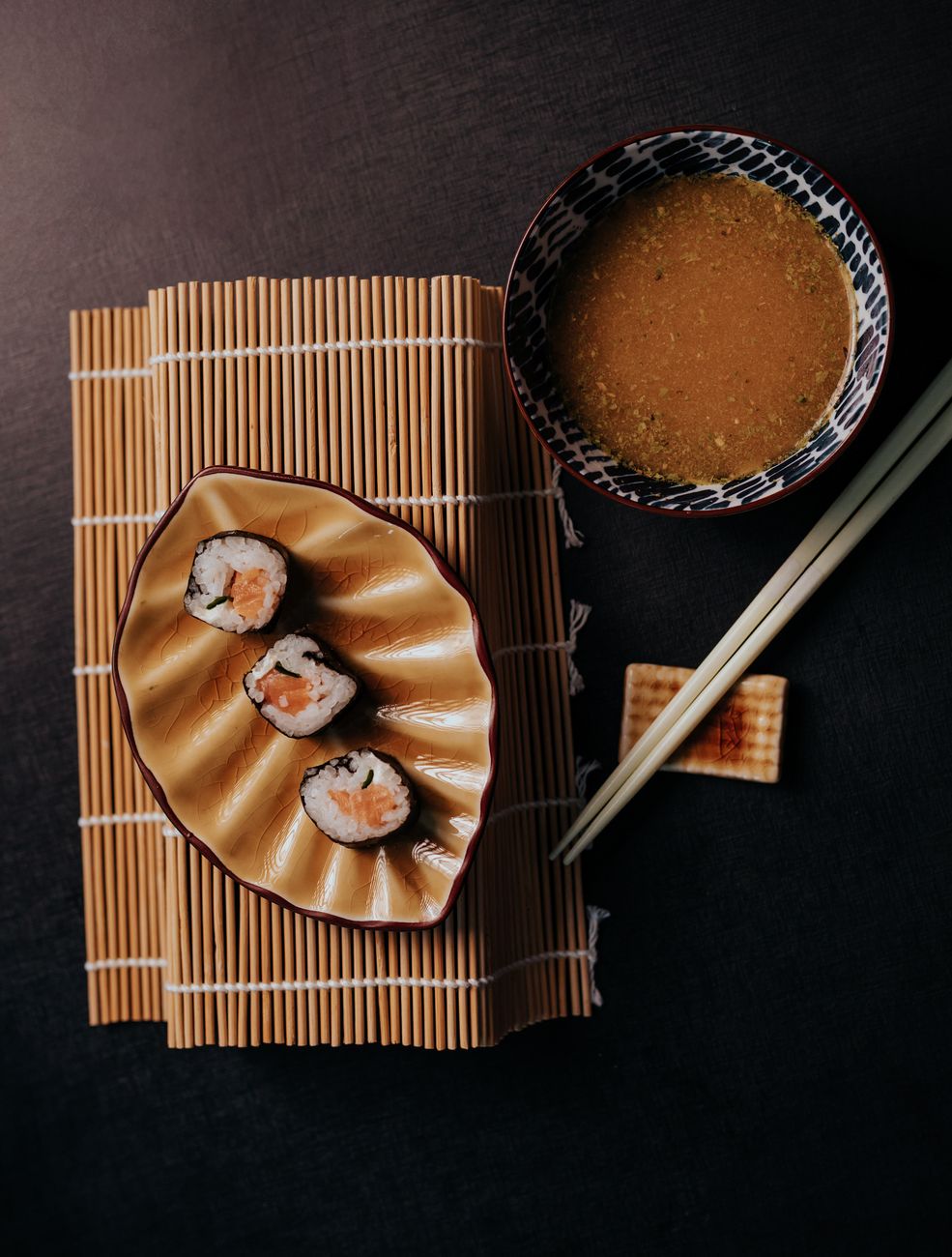
Your fingers are not just allowed—they're traditional
Somewhere along the way, Westerners got the idea that chopsticks are the only polite way to eat Japanese food. But nigiri-zushi was originally street food in Edo-period Tokyo, eaten standing up with your hands.
Even today, at high-end sushi counters in Japan, many diners use their fingers for nigiri. It's direct, respectful of the craft, and it gives you better control. You pick up the piece between thumb and middle finger, turn it fish-side down, apply the tiniest edge to the soy sauce, and eat it in one bite.
Chopsticks are perfectly acceptable too—especially for sashimi or deconstructed rolls—but they're not mandatory. In fact, trying to manipulate a delicate piece of nigiri with chopsticks is often what leads to the rice-in-soy-sauce disaster.
The goal is accent, not saturation.
Wasabi goes on the fish, not in the sauce
If you've been stirring wasabi into your soy sauce to make a murky green puddle, stop. That's not how it's meant to work.
Real wasabi—the pale green rhizome grated fresh, not the neon horseradish paste—is already tucked between the fish and rice by the chef. It's calibrated. If you want more heat, place a tiny bit directly on the fish with your chopstick tip before you eat. Dissolving it into soy sauce just kills its fragrance and turns your dipping dish into a bitter, unbalanced soup.
The soy sauce itself, usually a lighter variety called murasaki at sushi restaurants, is there to highlight the fish—not drown it.
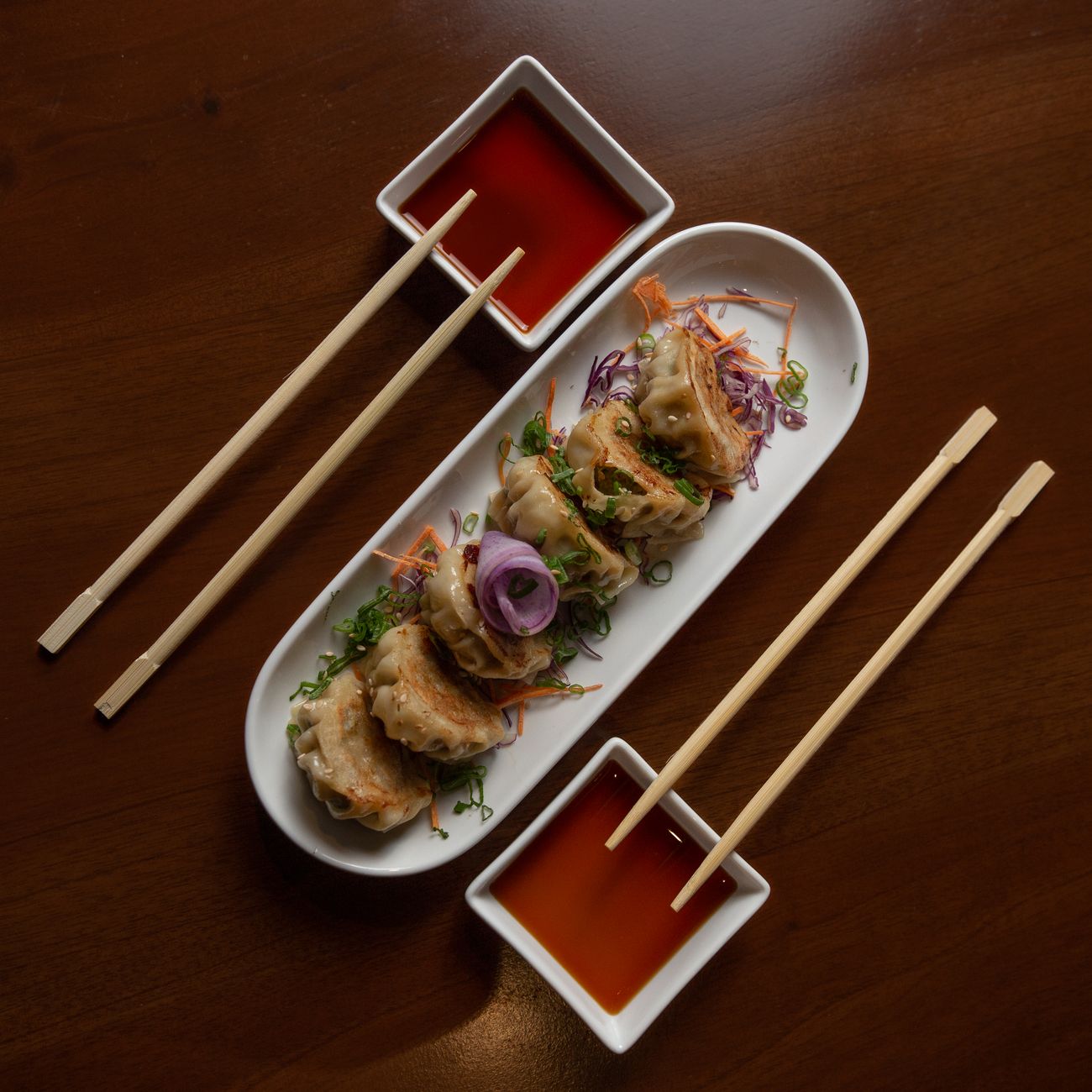
Ginger is a palate cleanser, not a topping
That pile of pink gari (pickled ginger) on your plate isn't a garnish for your sushi. It's a reset button.
Eat a slice between different types of fish to clear your palate—especially when moving from a mild white fish to something richer like tuna or mackerel. It's sharp, sweet, and cleansing. Putting it on top of your nigiri, or eating it with the fish, defeats the purpose and muddles the flavors the chef worked to balance.
Think of gari as the sorbet between courses at a French meal.
Trust the chef, then adjust
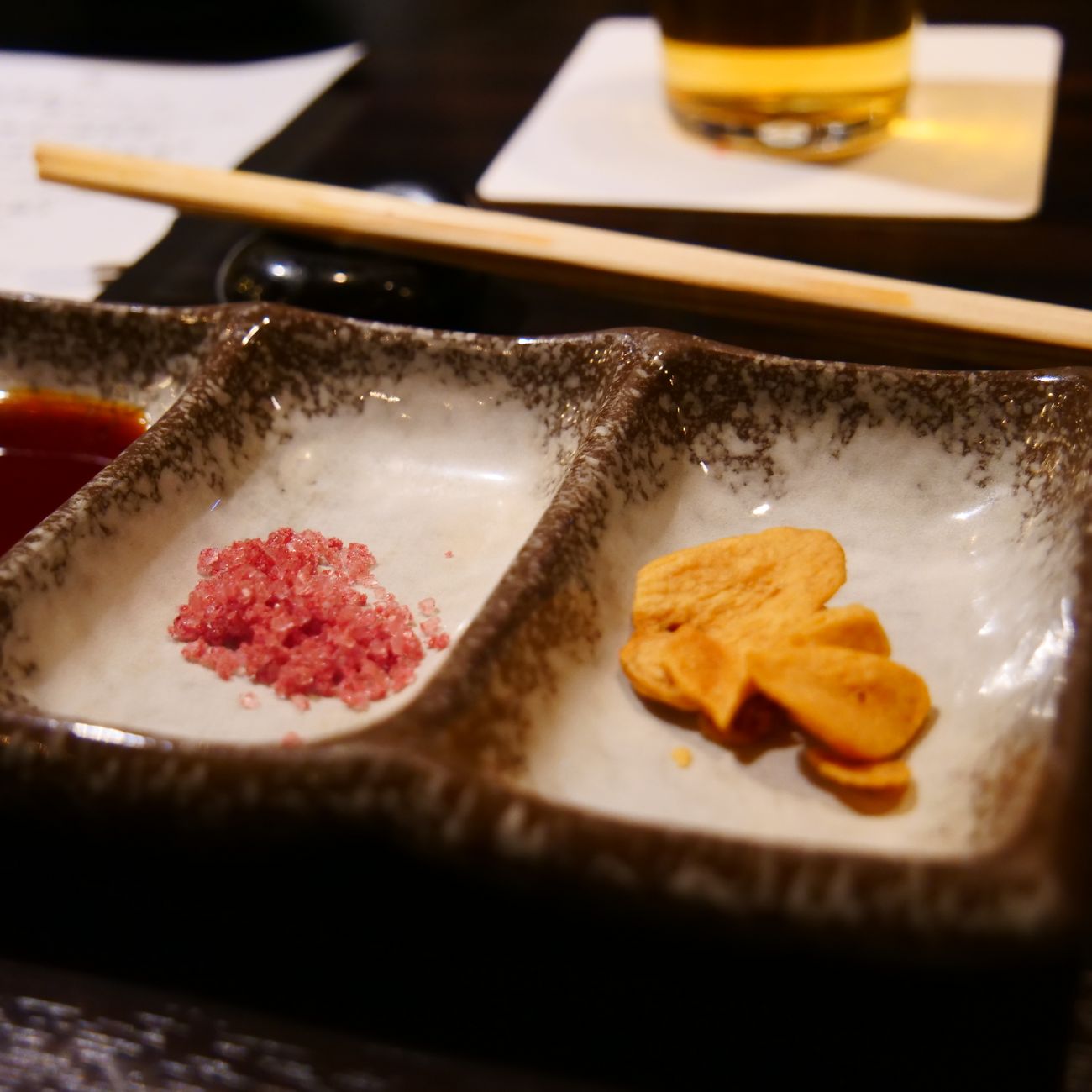
At a traditional sushi-ya, many pieces come pre-brushed with nikiri (a warm soy-based glaze) or seasoned with a pinch of salt. If that's the case, they don't need soy sauce at all. The chef has already calibrated the flavor.
Your job is to notice—and to trust.
If it tastes complete, don't dip. If you want a little more salinity, a light touch is all you need. Sushi etiquette isn't about rigid rules; it's about paying attention to what's in front of you and honoring the intention behind it.
The best bite is the one where nothing falls apart—not the fish, not the rice, and not the quiet respect between chef and guest.
FAQ
Chaware curates authentic Japanese crafts — straight from the makers in Japan to your table.
Explore the Chaware collection →