Why Matcha Is Whisked, Not Steeped: The Science and Tradition Behind the Ritual
On this page
The first time you watch someone prepare matcha, it looks almost theatrical. A bamboo whisk dances through emerald powder, transforming stillness into foam. But this isn't ceremony for ceremony's sake—it's chemistry, culture, and centuries of intention.
The powder that changed everything
Most tea leaves their flavor behind when water passes through. Matcha does the opposite.
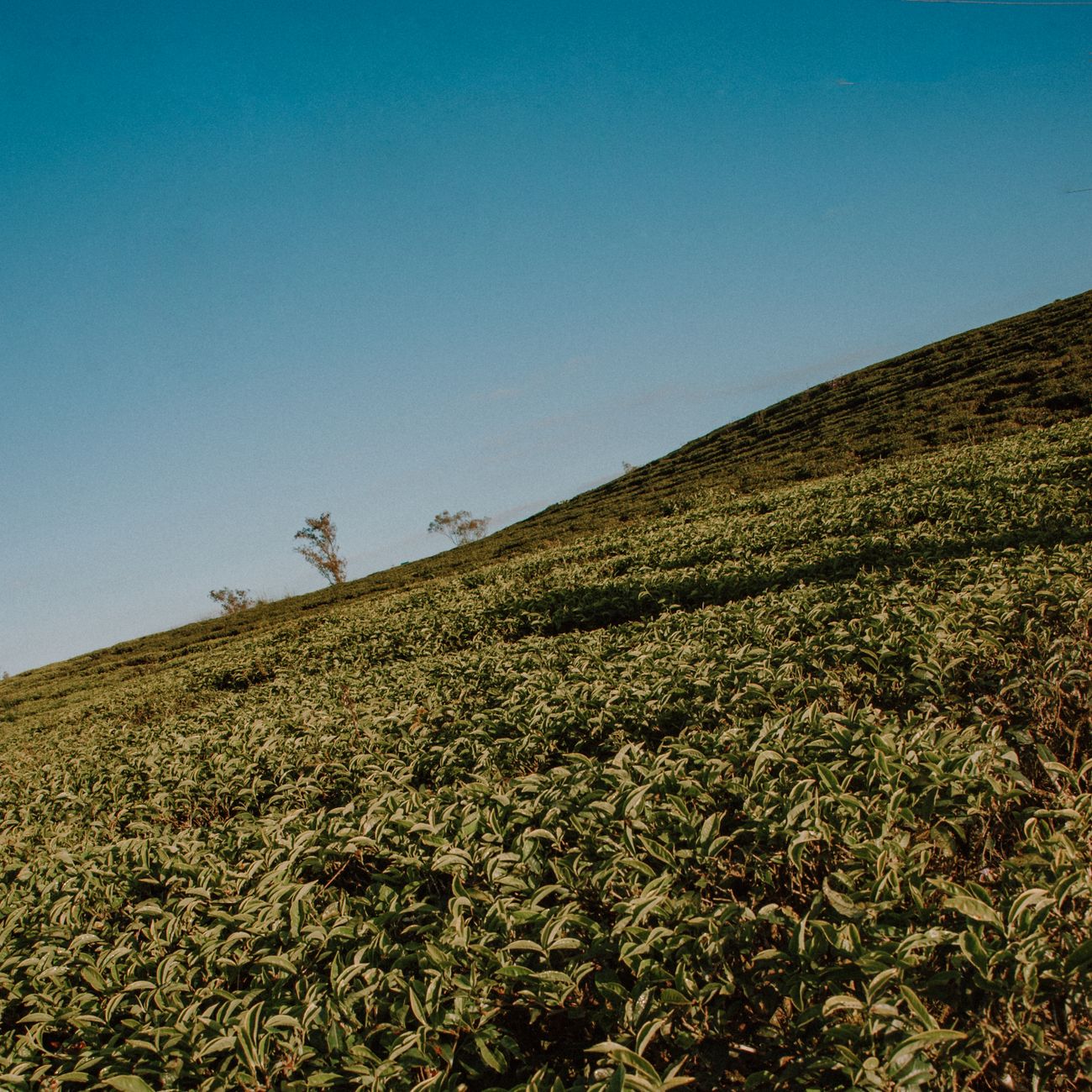
Tencha, the shade-grown leaf that becomes matcha, is stone-ground into powder so fine it never settles, never separates. You're not extracting from the leaf—you're consuming it whole. Every vitamin, every amino acid, every bit of chlorophyll that made those leaves glow green in the shadows stays in your bowl. Steeping can't do that. It can only borrow.
This is why whisking exists. You're not brewing. You're suspending.
What a whisk does that a spoon cannot
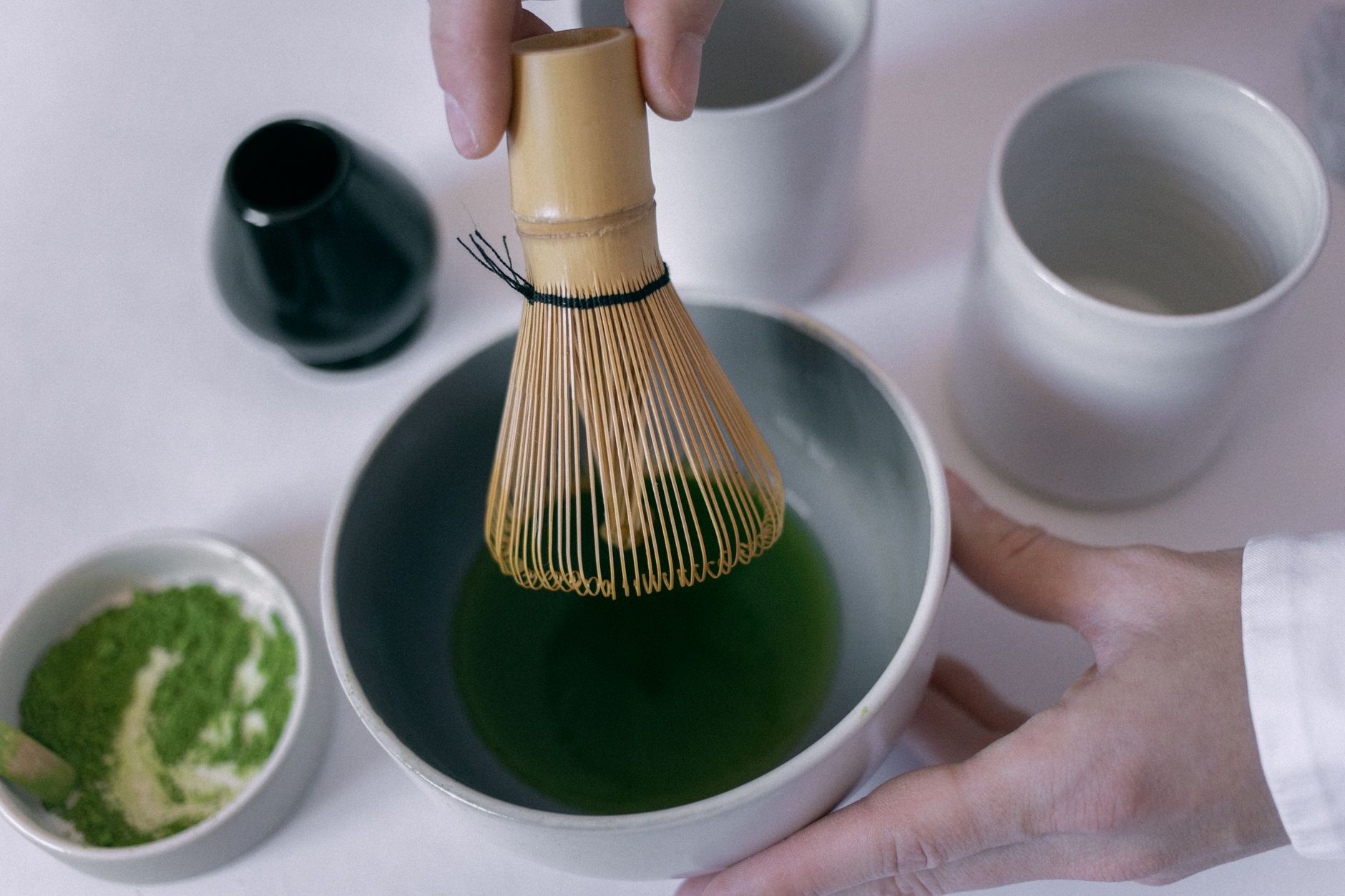
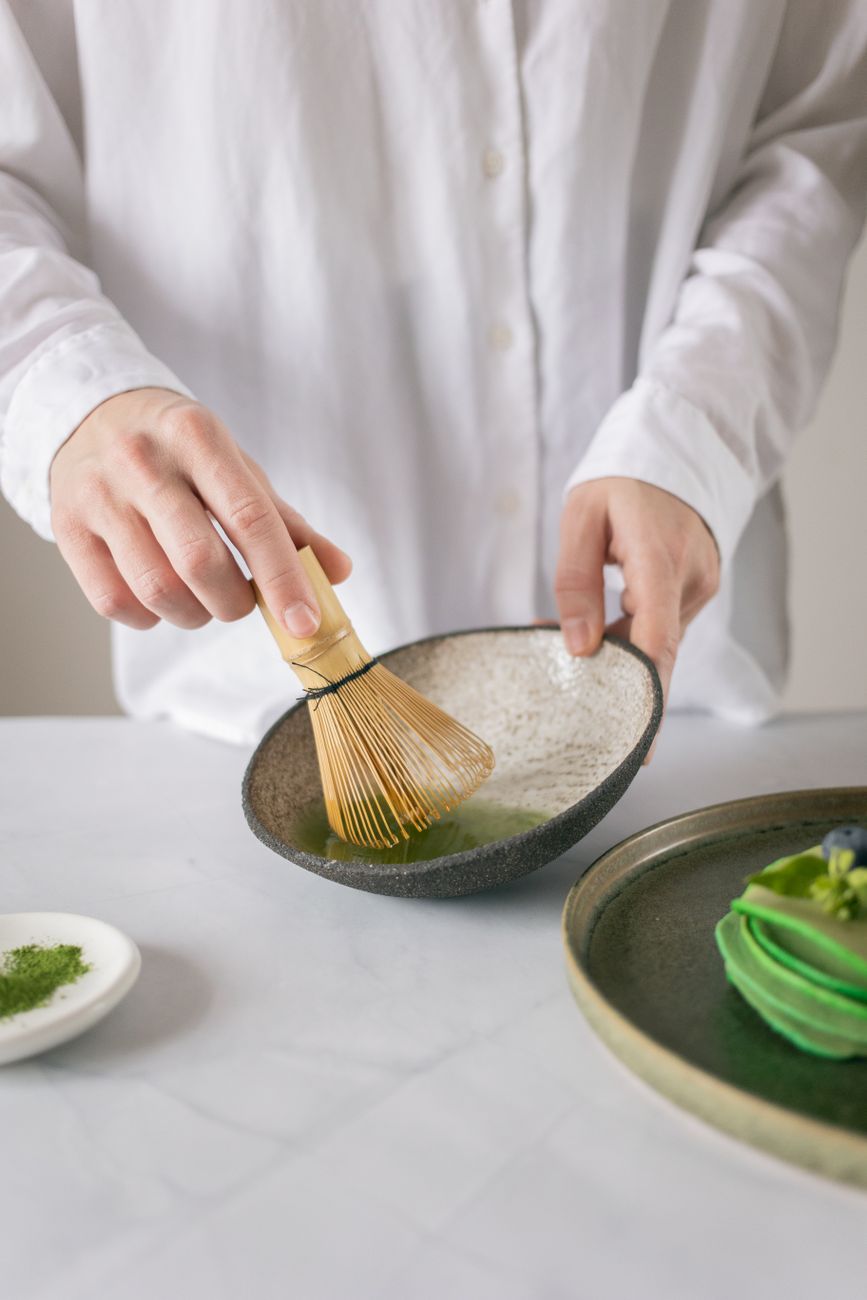
The chasen—that bamboo whisk with its hair-thin tines—was designed for a singular task: to break matcha's natural tendency to clump and to coax air into liquid.
Each tine flexes independently. When you whisk in a rapid W or M motion, you're not stirring—you're aerating, emulsifying, creating thousands of tiny bubbles that give matcha its signature froth. Try it with a spoon and you'll get grit. Try it with a fork and you'll get frustration.
The foam isn't decoration. It's texture, mouthfeel, the way matcha announces itself on your tongue before the flavor even arrives.
Whisking matcha is less about mixing and more about waking it up.
A tea born from scarcity
In 16th-century Japan, when Sen no Rikyū refined the tea ceremony into its essential form, matcha was precious. Grinding tencha by hand took hours. Wasting even a speck was unthinkable.
Whisking became the solution to completeness. Every particle matters when the leaf itself is the tea. There's no bag to discard, no spent leaves to compost. What you whisk is what you drink—nothing lost, nothing left behind.
This practicality shaped an aesthetic. The ceremony became a meditation on using everything, honoring scarcity, finding abundance in a single bowl.
The temperature of intention
Matcha asks for water just below boiling—around 80°C. Hot enough to release its grassy sweetness, cool enough not to scorch the delicate amino acids that give it that umami depth.
But here's what's easy to miss: whisking also cools. The motion, the air, the foam—all of it brings the temperature down to something you can sip immediately. Steeped tea needs time to become drinkable. Whisked matcha is ready the moment the froth appears.
It's a tea designed for presence, not patience.
Why it still matters
You could, technically, shake matcha in a bottle. Some people do. But you'd miss the point.
The whisk slows you down. It asks for thirty seconds of focus, a small clearing in the day. The sound of bamboo on ceramic. The way the color shifts from dull to luminous. The first sip of something you made with your hands, not a button.
Matcha isn't whisked because it tastes better that way—though it does. It's whisked because the act itself is part of the experience, a reminder that some things can't be rushed, extracted, or automated.
Just dissolved, breath by breath, into something whole.
FAQ
Chaware curates authentic Japanese crafts — straight from the makers in Japan to your table.
Explore the Chaware collection →