Why Seasonality Matters in Japanese Tea: A Cultural Deep Dive
On this page
The same green leaf, plucked in spring or autumn, will yield a completely different cup. In Japan, this isn't a footnote—it's the entire point.
The first flush doesn't wait for you
Shincha, the year's first tea, arrives in late April or early May with the urgency of cherry blossoms. Farmers harvest only the youngest, most tender leaves—buds still soft with spring moisture. The flavor is bright, almost grassy, with a sweetness that feels like drinking liquid sunlight.
But shincha's season is brief. Miss the narrow window, and you'll wait another year. This impermanence isn't a flaw in the system; it's the system itself. Japanese tea culture doesn't fight seasonality—it bows to it.
Summer thickens everything
As temperatures climb, tea plants shift their entire chemistry. Leaves grow faster, larger, tougher. The delicate amino acids that give spring teas their umami sweetness decline, while tannins and catechins increase. The result? A bolder, more astringent brew.
Bancha, the common tea harvested in summer and autumn, reflects this shift. It's earthier, less refined, with a roasted quality that pairs with heavier meals. Where spring tea whispers, summer tea speaks plainly. Neither is better—they simply belong to different moments in the calendar and on the palate.
The Japanese tea calendar doesn't distinguish between "good" and "bad" harvests—only between what each season is meant to offer.
The rhythm shapes the ritual
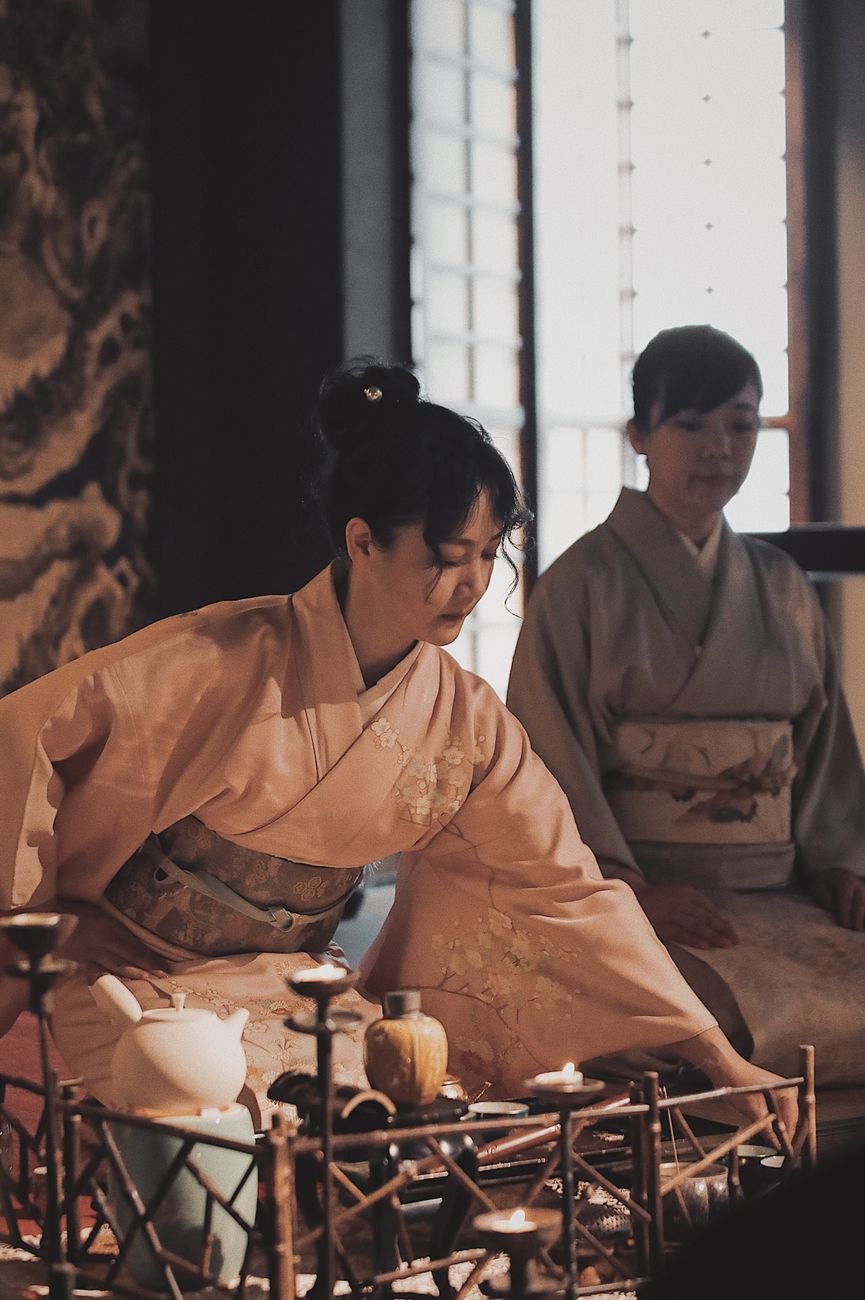
Seasonality in Japanese tea isn't just agricultural—it's philosophical. Ichigo ichie, the Zen concept of "one time, one meeting," threads through tea practice. Each encounter with a tea is unrepeatable because the leaves themselves are never the same twice. Even from the same plant, the June harvest differs from October's.
This awareness changes how you drink. You're not consuming a generic beverage; you're tasting a specific week in a specific field under specific skies. The tea ceremony's attention to seasonal flowers, scrolls, and sweets mirrors this. The entire experience bends toward the present moment, which is always slipping away.
What autumn knows
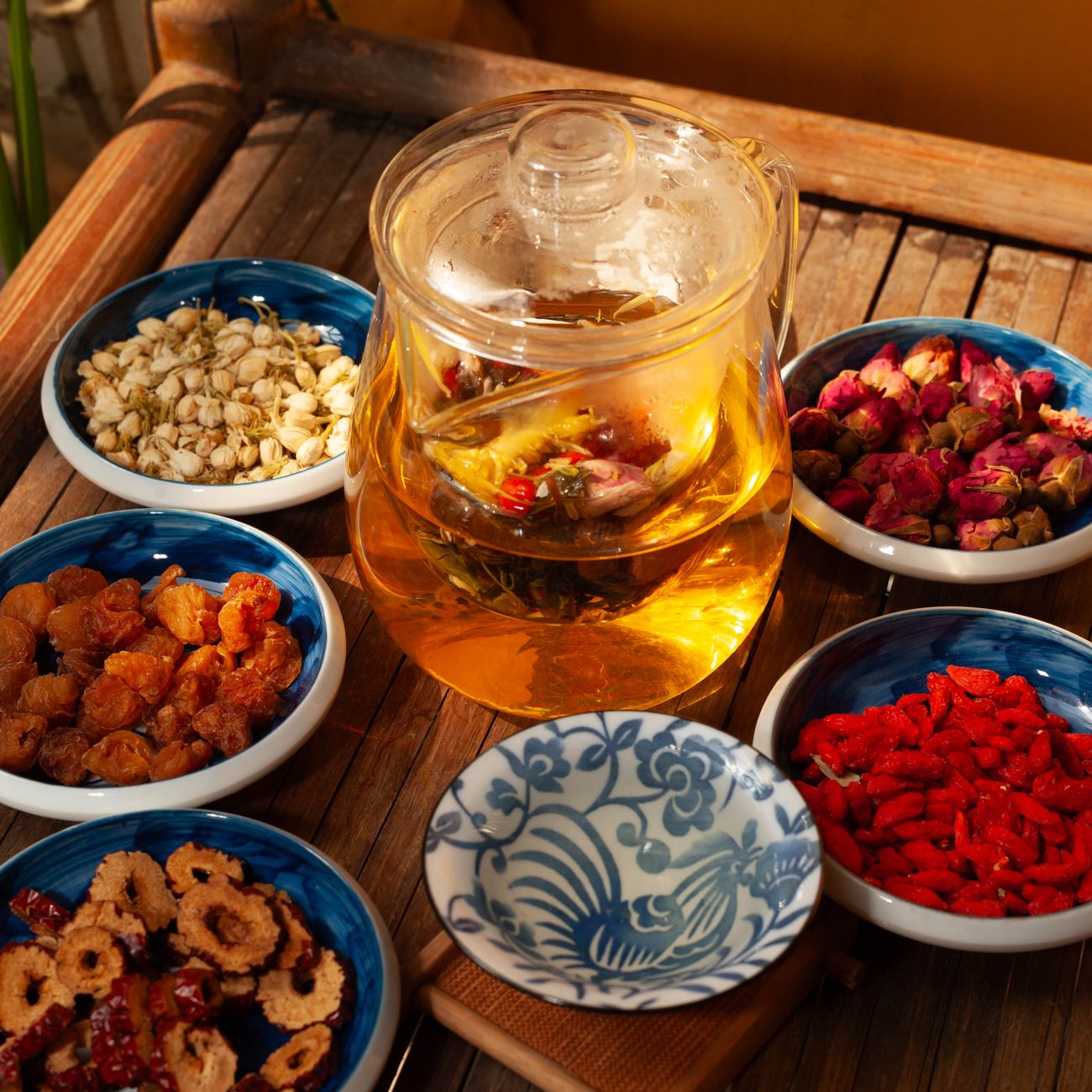
By the time the third or fourth flush arrives in autumn, tea plants have spent months photosynthesizing under the full summer sun. The leaves carry that accumulated energy—less aromatic than spring's crop, but deeper, more grounded.
Autumn teas are often destined for hojicha (roasted tea) or genmaicha (tea with toasted rice), where roasting or blending transforms their robust character into something comforting. It's tea for cooler evenings, for the body rather than the mind. The seasonality completes a circle: from the ephemeral sweetness of May to the anchored warmth of November.
Reading the leaves like a calendar
In traditional Japanese households, switching from sencha to bancha wasn't a choice—it was simply what the season provided. The tea chest reflected the rhythm of the fields. Winter called for roasted teas that warm from the inside. Spring demanded the bright, vegetal notes of new growth.
Modern supply chains have blurred these lines. You can drink shincha in December if you're willing to pay for cold storage. But something essential is lost when tea becomes available on demand. The anticipation, the gratitude for what arrives only once—these aren't romantic add-ons. They're the heart of why seasonality matters.
The tea remembers the weather that made it, even if you've forgotten which month you're in.
FAQ
Chaware curates authentic Japanese crafts — straight from the makers in Japan to your table.
Explore the Chaware collection →